Have you ever wondered what truly makes a nation’s heart beat? When I first started exploring the Baltics, Lithuania immediately stood out to me. It’s a country that, at a glance, might seem ethnically homogenous, but delve a little deeper, and you uncover a vibrant tapestry woven from centuries of diverse influences.
From the resilient spirit of the native Lithuanians to the historical echoes of Polish and Russian communities, and even the poignant legacy of its once-thriving Jewish population, this nation tells a captivating story of coexistence, migration, and cultural exchange.
It’s a fascinating blend that has shaped not just their traditions and language, but also their unique perspective on the world. I’ve personally seen how these different threads contribute to the rich, multifaceted identity you find there today, and understanding them is key to truly appreciating this Baltic gem.
Ready to unpack the layers? Let’s dive into the intricate ethnic composition and fascinating characteristics that define Lithuania.
The Enduring Heart of the Lithuanian People
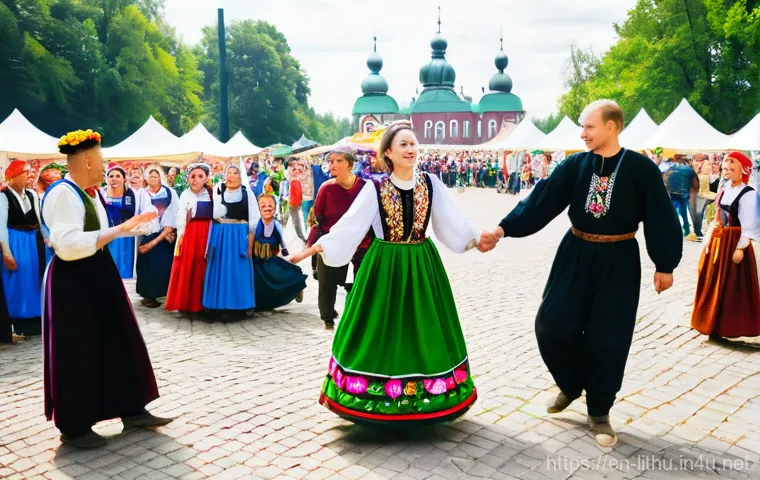
When I first stepped onto Lithuanian soil, what immediately struck me was the profound sense of national identity. You can really feel it in the air, a deep-rooted pride that has weathered centuries of change.
The ethnic Lithuanians, who make up the vast majority, are undeniably the backbone of this nation, and understanding them is like finding the core of a very old, very strong tree.
Their language, Lithuanian, is one of the oldest surviving Indo-European languages, and honestly, hearing it spoken is like listening to history itself.
I remember being in a small village market, trying to decipher prices, and just being captivated by the melodic, almost ancient sound of conversations around me.
It’s not just a means of communication; it’s a powerful cultural touchstone that has kept their traditions vibrant, their songs alive, and their stories passed down through generations.
This linguistic heritage, along with their unique folklore and pagan roots that subtly weave into their Christian practices, gives Lithuanians a truly distinct character.
It’s a resilience born from enduring so much, yet always holding onto who they are.
Rooted in Language and Lore
You know, I’ve often thought about how a language can truly be the soul of a people. For Lithuanians, it’s not just a theory; it’s a living reality. The ancient roots of their language connect them directly to their ancestors in a way many modern nations can only dream of.
I recall a conversation with an elderly woman in Vilnius who told me how her grandmother taught her traditional folk songs, and how each word, each melody, carried the weight of their history.
It wasn’t just a song; it was a chronicle of their family, their village, and their land. This deep reverence for their linguistic heritage is something truly special.
It fosters a strong sense of community and connection, a feeling that you’re part of something much bigger and older than yourself.
Resilience Forged Through Time
It’s impossible to talk about the Lithuanian people without acknowledging their incredible resilience. This isn’t just a textbook fact; it’s something you feel when you talk to people, when you see their monuments, and when you witness their national celebrations.
From the struggles for independence against various occupations to the quiet defiance against Soviet rule, the spirit of the Lithuanian people has been tested time and again.
Yet, they always emerge, perhaps scarred, but never broken. I remember walking through the Museum of Occupations and Freedom Fights, and the stories of everyday courage moved me profoundly.
It made me realize that their cultural identity isn’t just about language and traditions; it’s about an unwavering resolve to maintain their sovereignty and distinct way of life.
That enduring spirit is a palpable part of the national character, something I truly admire.
Echoes of History: Polish and Russian Legacies
When you travel through Lithuania, especially in places like Vilnius or the southeastern regions, you’ll quickly notice that the country’s ethnic tapestry isn’t just a single thread.
It’s richly interwoven with the historical presence of other significant groups, primarily Poles and Russians. These communities aren’t just recent arrivals; they’ve been an integral part of Lithuania’s story for centuries, their histories deeply intertwined with that of the Lithuanian state.
The legacy of the Polish-Lithuanian Commonwealth, for instance, left an indelible mark, leading to a substantial Polish minority whose cultural and religious practices are still very much alive today.
I’ve spent time in areas where Polish is spoken just as frequently as Lithuanian, and it creates this wonderfully dynamic atmosphere. It’s a constant reminder of how fluid borders and shared histories can shape a nation’s identity.
The Enduring Polish Presence
The Polish community in Lithuania is, without a doubt, a vibrant and active part of the country’s social fabric. You’ll find Polish schools, cultural centers, and even media, particularly in regions around Vilnius and Šalčininkai.
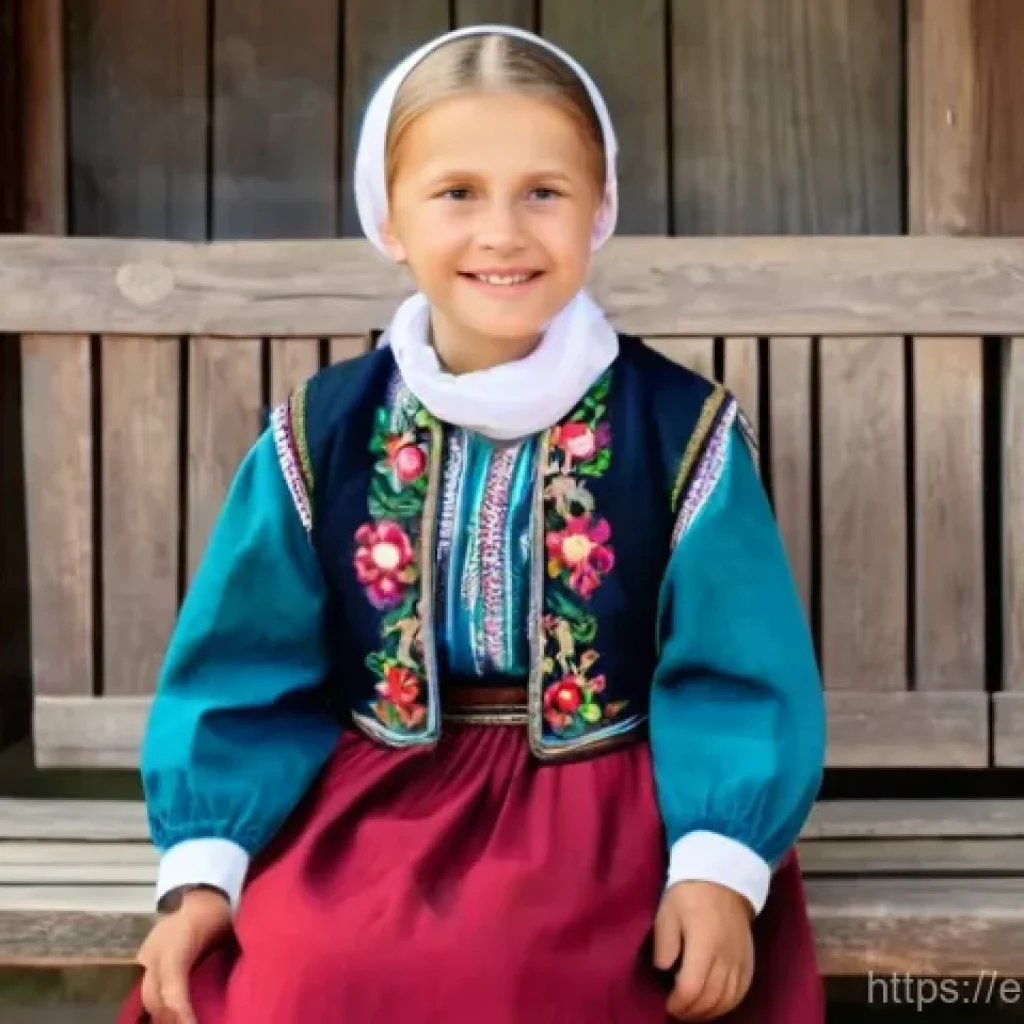
This isn’t just a remnant of the past; it’s a living, breathing culture that contributes its own unique flavor to the Lithuanian experience. I remember attending a Polish folk festival in a small town outside Vilnius, and the energy, the music, the traditional costumes – it was absolutely captivating.
It showcased how these communities have managed to maintain their heritage while also being part of the larger Lithuanian society. There’s a constant dialogue between cultures, sometimes challenging, but always enriching, shaping how people interact and perceive their shared history.
Tracing Russian Roots and Influence
Similarly, the Russian community, though distinct from the Polish, also has deep historical roots, largely stemming from various periods of Russian imperial rule and later, the Soviet era.
While often concentrated in specific urban areas, their presence has contributed another significant layer to the country’s multi-ethnic character. It’s fascinating to see how these communities have adapted and evolved post-independence, navigating their identity within a re-emerging Lithuanian state.
I’ve had conversations with individuals from both backgrounds, and it’s clear that while the historical narrative can be complex, there’s an underlying desire for harmony and understanding.
Their churches, their cultural traditions, and their distinct perspectives offer a different lens through which to view Lithuanian history and contemporary society.
It’s a reminder that a nation’s story is rarely linear, but a complex interplay of many voices.
A Painful Past, a Resilient Spirit: The Jewish Community’s Mark
Stepping into certain parts of Vilnius, particularly the old Jewish Quarter, you can’t help but feel the weight of history. For centuries, Lithuania, particularly Vilnius, was known as the “Jerusalem of the North” due to its thriving and influential Jewish population.
Before the horrors of the Holocaust, the Jewish community was an incredibly significant part of Lithuania’s ethnic and cultural landscape, contributing immensely to its intellectual, artistic, and economic life.
Their synagogues, yeshivas, and vibrant cultural institutions were central to many Lithuanian cities. It’s a poignant chapter, one that speaks volumes about both the incredible richness of their past and the devastating loss during World War II.
When I visited the Choral Synagogue in Vilnius, one of the few that survived, I felt a deep sense of reverence for what once was and a quiet hope for the future of the small but resilient community that remains.
The “Jerusalem of the North” Legacy
The stories of the Lithuanian Jewish community, often referred to as Litvaks, are truly remarkable. Their contributions spanned philosophy, literature, science, and the arts, creating a unique intellectual hub that influenced Jewish thought worldwide.
I’ve read accounts of scholars and artists who found inspiration in Vilnius, and it makes you realize the sheer depth of the cultural vacuum left after the war.
This wasn’t just a community; it was a cornerstone of European Jewish life. Walking through the streets where so many lived and thrived, you can almost hear the echoes of their vibrant life, a bittersweet experience that underscores the importance of remembering and honoring this profound legacy.
Rebuilding and Remembering
Today, the Jewish community in Lithuania is much smaller, but incredibly dedicated to preserving its heritage and rebuilding. There’s a strong emphasis on education, cultural events, and maintaining the memory of those lost.
I’ve seen museums and memorials that are incredibly well-curated, designed not just to recount history but to foster understanding and remembrance. It’s a powerful testament to the human spirit’s ability to heal and reconstruct, even after unimaginable trauma.
Their resilience, much like that of the wider Lithuanian population, is an inspiring force, reminding us of the importance of diversity and the imperative to protect all cultures.
Beyond the Borders: Modern Migration and New Voices
While history has largely shaped Lithuania’s ethnic makeup, the modern era brings new dynamics. Just like many other European nations, Lithuania is experiencing the ebb and flow of contemporary migration.
This means that alongside the historically established groups, you’ll find newer communities beginning to make their mark, contributing fresh perspectives and cultural nuances.
It’s a gradual process, but it adds another layer to that already rich tapestry I talked about earlier. I’ve noticed a subtle shift in the bigger cities, where you might hear more languages being spoken in the streets or see new businesses catering to diverse tastes.
This isn’t a massive wave, but it’s a steady stream that promises to add even more complexity to Lithuania’s identity in the coming decades.
Navigating the Global Village
Lithuania’s entry into the European Union certainly opened up new pathways, both for Lithuanians to seek opportunities abroad and for people from other countries to come to Lithuania.
I’ve spoken with students and professionals from various nations who have chosen to make Lithuania their home, drawn by its growing economy or academic opportunities.
It’s fascinating to hear their stories and how they perceive their integration into Lithuanian society. It’s a two-way street; while they adapt to Lithuanian customs, they also bring their own traditions, subtly influencing the local scene.
This ongoing exchange enriches the country, adding modern flavors to its ancient roots.
The Evolving Face of Diversity
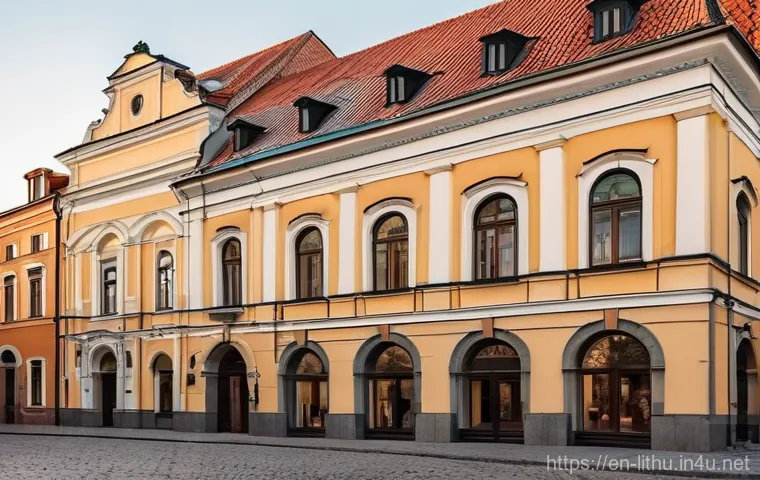
What truly excites me about this modern trend is how it’s slowly but surely evolving the conversation around diversity in Lithuania. It’s not just about historical minorities anymore; it’s about a broader, more global understanding of what it means to be a diverse nation.
I believe this will inevitably lead to an even more robust and adaptable cultural identity. As new communities settle, they bring new ideas, new foods, and new forms of expression.
It’s like watching a garden grow, with different flowers blooming and adding their unique beauty to the overall landscape. It’s a slower transformation than in some other countries, but it’s a vital one for the nation’s future.
The Cultural Tapestry: How Diversity Shapes Daily Life
It’s one thing to read about ethnic groups in a country, but it’s another entirely to experience how that diversity actually plays out in daily life. In Lithuania, this intricate cultural tapestry isn’t just an abstract concept; it’s tangible in so many ways.
From the architecture in different cities to the types of food you find at local markets, and even the varying accents and dialects you encounter, the influence of its diverse populations is woven into the very fabric of everyday existence.
I’ve often found myself noticing small but significant details – a certain style of building that hints at Polish influences, or a dish on a menu that clearly has Russian roots.
These aren’t just historical footnotes; they’re living parts of the country’s charm and character.
A Blend in the Kitchen and on the Streets
Food, for me, is always one of the most immediate and delicious ways to experience a culture’s diversity, and Lithuania is no exception. While *cepelinai* (potato dumplings) are undeniably king, you’ll also find clear influences from Polish and Russian cuisines.
I remember trying a rich, savory *borscht* that tasted authentically Russian in one restaurant, and then just a few blocks away, savoring a dessert that felt distinctly Polish.
This culinary cross-pollination is a beautiful example of how different ethnic groups have influenced each other over time, creating a unique gastronomic landscape.
Similarly, in bigger cities, the architecture often tells a story of different eras and influences, making a walk through the historical centers a journey through time and cultural shifts.
Bridging Worlds Through Festivals and Art
What I’ve found particularly heartwarming is how these diverse threads often come together in shared celebrations and artistic expressions. Many towns host multicultural festivals where different communities showcase their traditional music, dances, and crafts.
These aren’t just performances; they’re vibrant affirmations of identity and coexistence. I once stumbled upon a small festival near Kaunas where Lithuanian, Polish, and Russian folk dancers performed on the same stage, each sharing a piece of their heritage.
It was such a powerful moment, showcasing how art can bridge cultural divides and celebrate shared humanity. It’s in these moments that you truly see the strength and beauty of Lithuania’s multi-ethnic heart.
Lithuania’s Unique Spirit: A Blend of Resilience and Openness
After spending a good amount of time exploring Lithuania, from its bustling capital to its serene countryside, what consistently strikes me is the unique spirit of the nation.
It’s a remarkable blend of unwavering resilience, honed by centuries of challenges, and a surprisingly open, evolving outlook on the world. This isn’t a contradiction; it’s a dynamic tension that makes Lithuania such a fascinating place.
They hold onto their traditions and their distinct identity with fierce pride, yet they’re also engaging with global trends, embracing new ideas, and slowly but surely, becoming more comfortable with their growing diversity.
It’s a balancing act, and I’ve seen it play out in conversations, in cultural initiatives, and even in how younger generations are shaping their future.
Holding Onto Heritage, Looking Forward
It’s fascinating to observe how Lithuanians manage to honor their deep historical roots while simultaneously navigating the complexities of modern nation-building.
You see it in the way they fiercely protect their language and folk traditions, yet are equally keen to innovate in fields like technology and sustainable development.
I’ve met many young professionals who are incredibly proud of their heritage but also globally minded, often having studied or worked abroad before returning home to contribute.
This generation, in particular, seems to embody this dual spirit, creating a future that is both distinctly Lithuanian and globally connected. It’s a compelling vision for a country that has so much to offer.
Embracing a Broader Definition of “Us”
One of the most encouraging things I’ve noticed is a subtle but significant shift towards a broader understanding of what it means to be “Lithuanian.” While the core ethnic identity remains strong, there’s a growing recognition that the nation is enriched by its diverse communities – both historical and recent.
It’s not always an easy conversation, but it’s happening, and I believe it’s vital for a healthy, inclusive future. This evolving perspective, acknowledging the contributions of all who call Lithuania home, is a sign of a maturing nation confident enough to embrace its complexities.
It’s a spirit of quiet strength and thoughtful progression that truly makes Lithuania shine.
| Ethnic Group | Estimated Percentage (approx. 2021) | Historical Significance / Key Areas |
|---|---|---|
| Lithuanians | 84.6% | Indigenous people, official language, dominant culture throughout the country. |
| Poles | 6.5% | Significant historical presence from the Polish-Lithuanian Commonwealth, concentrated in southeastern regions (Vilnius, Šalčininkai). |
| Russians | 4.8% | Historical presence from Imperial Russia and Soviet era, primarily in urban areas like Vilnius and Klaipėda. |
| Belarusians | 1.0% | Long-standing neighboring community, particularly in eastern regions. |
| Ukrainians | 0.5% | Smaller historical presence, more recently growing due to migration. |
| Jews | <0.1% | Historically vibrant and influential community (“Litvaks”), largely decimated during the Holocaust, small community remains. |
| Other | ~2.5% | Includes Latvians, Germans, Tatars, Roma, and other smaller groups, as well as newer migrant communities. |
글을 마치며
Well, friends, as we wrap up our journey through Lithuania’s incredible ethnic landscape, I hope you’ve felt the same warmth and depth that I have. It’s truly more than just a place on a map; it’s a living, breathing testament to resilience, history, and a quietly evolving spirit. My time here has continually reminded me that while roots run deep, the branches are always reaching for new light. So, whether you’re planning a visit or just curious from afar, remember the rich human stories that make this Baltic gem so uniquely captivating.
알아두면 쓸모 있는 정보
1. When you’re out and about in Lithuania, especially in smaller towns, a simple ‘Laba diena’ (Good day) or ‘Ačiū’ (Thank you) in Lithuanian goes a long way. Locals truly appreciate the effort to speak a few words of their ancient language. It’s a wonderful way to connect and show respect for their deep cultural pride.
2. Don’t forget that Lithuania uses the Euro (€), just like many of its EU neighbors. Credit cards are widely accepted in urban areas, but having some cash on hand for smaller markets or rural excursions is always a good idea, especially if you’re exploring the charming local craft stalls.
3. Public transport in cities like Vilnius and Kaunas is quite efficient and affordable, and it’s a great way to experience daily life alongside locals. Consider purchasing a short-term e-ticket or a daily pass for convenience, which can be easily managed via apps or vending machines.
4. Lithuanian cuisine is hearty and delicious, often featuring potatoes, meat, and dairy. Be adventurous! Try *šaltibarščiai* (cold beet soup) in summer, or the iconic *cepelinai* (potato dumplings) any time of year. Each dish tells a story of the land and its people, a true taste of history.
5. While English is commonly spoken in tourist areas and among younger generations, especially in Vilnius, don’t be surprised if older Lithuanians primarily speak Lithuanian or Russian. A translation app can be your best friend, but a smile and patience always transcend language barriers, making for some truly memorable interactions.
중요 사항 정리
In essence, Lithuania’s ethnic landscape is a compelling narrative of resilience, historical influences, and an evolving identity. Its dominant Lithuanian culture is beautifully enriched by long-standing Polish and Russian communities, the poignant legacy of its Jewish population, and the emerging presence of modern migrants. This dynamic interplay creates a nation deeply rooted in its past yet steadily building a more diverse and inclusive future, a true testament to its enduring spirit.
Frequently Asked Questions (FAQ) 📖
Q: What’s the biggest misconception people often have about Lithuania’s ethnic identity?
A: Oh, this is such a fantastic question because it gets right to the heart of what I found so incredibly intriguing about Lithuania! When I first started exploring the Baltics, like many, I initially thought Lithuania might be quite homogenous.
You know, just “Lithuanian” people, pure and simple, end of story. But let me tell you, that couldn’t be further from the truth! What I quickly discovered, and what truly fascinated me, is that underneath that initial impression lies an incredibly rich and diverse tapestry woven over centuries.
It’s almost like looking at a beautifully aged antique – you see the surface, but the true depth and story are in the intricate details and the many layers beneath.
This country is a vibrant blend of influences, and that initial “homogenous” thought is definitely the biggest misconception I’d love to clear up for anyone curious about this Baltic treasure.
It’s truly a place where history has left its mark in a wonderfully diverse way.
Q: You mentioned a “vibrant tapestry” of cultures. Beyond native Lithuanians, which communities have really contributed most significantly to this unique blend?
A: Absolutely! The “vibrant tapestry” is the perfect way to describe it, isn’t it? Beyond the incredibly resilient spirit of the native Lithuanians themselves, whose deep-rooted presence is undeniably the bedrock of the nation, I’ve personally been struck by the profound historical echoes of several key communities.
The Polish and Russian communities, for instance, have left indelible marks, not just in architecture and language in certain regions, but in the very fabric of daily life and historical narratives.
You’ll hear stories, see traditions, and sometimes even catch linguistic influences that speak to their long-standing presence. And then, there’s the truly poignant and rich legacy of its once-thriving Jewish population.
Their culture, their contributions, their struggles, and their enduring cultural footprints are all intertwined into Lithuania’s identity. It’s truly a testament to centuries of coexistence, migration, and a constant, beautiful cultural exchange that makes Lithuania so much more than meets the eye, giving it a truly multifaceted personality.
Q: How have these diverse influences actually shaped Lithuania’s traditions, language, and even its global perspective?
A: Ah, now that’s where the real magic happens, right? Seeing how all these different threads don’t just exist side-by-side but actively weave together to create something entirely unique.
From what I’ve observed and learned firsthand, these diverse influences have profoundly shaped everything from the subtle nuances in their everyday traditions to certain linguistic characteristics that you might not immediately attribute to external factors.
Imagine generations of different cultures interacting, sharing recipes, folk tales, and even words – it’s a living, breathing history lesson happening all around you.
More than just cultural snippets, I genuinely feel it’s given Lithuanians a truly unique and incredibly resilient perspective on the world. Having experienced so many different historical currents and lived alongside such varied communities, there’s a deep-seated understanding of adaptability, endurance, and the immense richness that cultural diversity brings.
It’s something I’ve personally found incredibly inspiring and genuinely defines this remarkable Baltic gem.