Stepping off the plane in Vilnius, I recall that familiar flutter of excitement mixed with a tiny bit of apprehension about navigating a new city. Public transport, often the very pulse of urban exploration, was my first challenge.
What I quickly discovered, from my own trips weaving through bustling streets and quiet residential areas, is that Lithuania’s system is surprisingly user-friendly and incredibly modern.
Forget those old stereotypes of needing exact change; now, it’s all about seamless digital solutions. I’ve personally used the m.Ticket app countless times, effortlessly tapping my way onto trams and buses, and it truly changed how I experienced the cities.
The push towards greener, more integrated transport solutions here is palpable, reflecting a broader European trend towards smarter urban mobility. It’s not just about getting from A to B; it’s about experiencing the local rhythm and embracing the future of travel.
Let’s find out more in the article below.
The Digital Revolution of Lithuanian Transit: Seamlessly Navigating with a Tap

When I first arrived in Vilnius, one of my biggest anxieties was figuring out the public transport. Coming from a city where paper tickets and fumbling for exact change were still common, I was bracing myself for a similar experience.
What truly surprised me, and frankly, delighted me, was how incredibly modern and digitally integrated Lithuania’s public transport system is. It felt like stepping into the future.
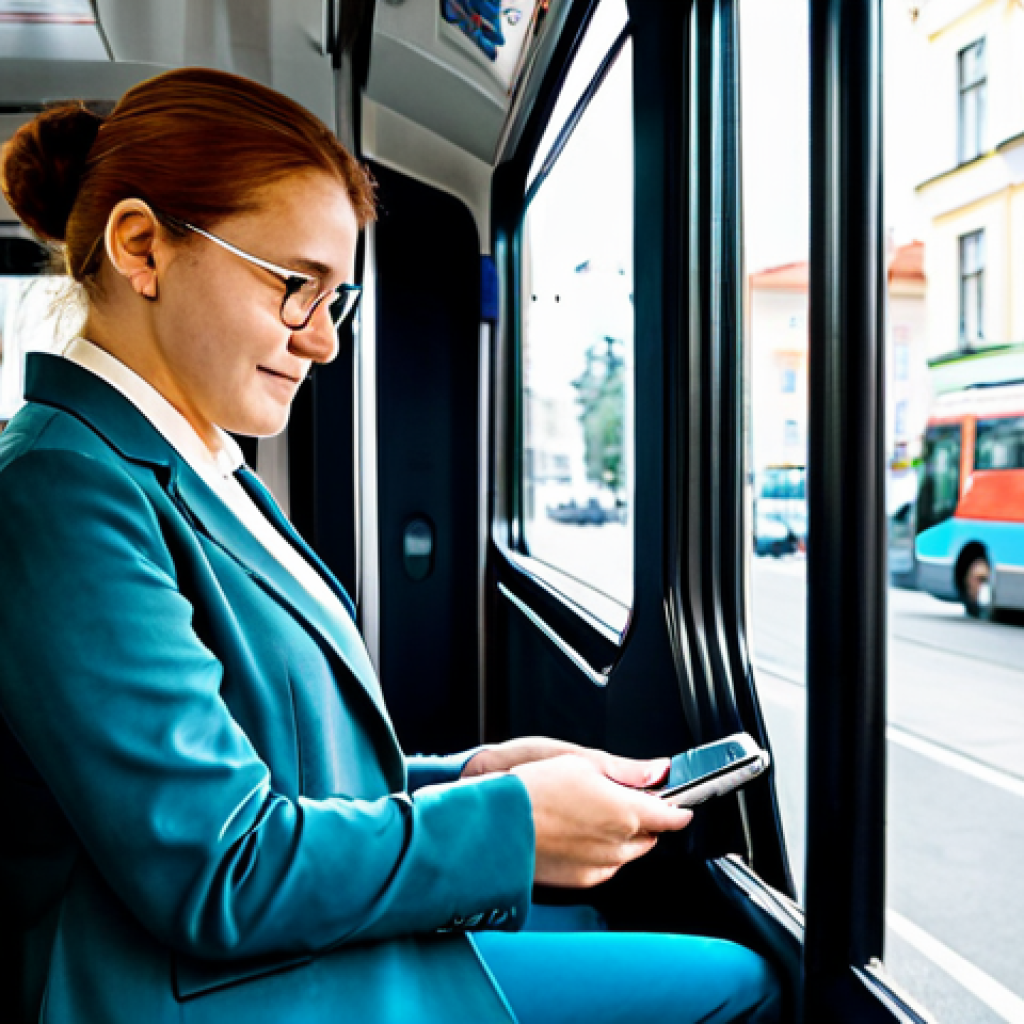
I distinctly remember my first time using the m.Ticket app; the sheer simplicity of it instantly put my mind at ease. You just download it, top up your balance, and select your ticket type – whether it’s a single ride, a daily pass, or a longer duration ticket.
The feeling of confidence that came from having everything on my phone, ready to be validated with a quick tap on the onboard reader, was liberating. It transformed my perception of urban exploration, turning potential stress into a smooth, almost effortless, journey through the city’s vibrant streets.
This digital leap isn’t just about convenience; it’s about making public transport accessible and inviting to everyone, from hurried locals to curious tourists like myself.
1. The Indispensable m.Ticket App: Your Pocket Travel Companion
For anyone planning to rely on public transport in Lithuanian cities, particularly Vilnius and Kaunas, the m.Ticket app is an absolute game-changer. I honestly can’t emphasize this enough.
It’s not just an option; it’s practically a necessity for seamless travel. From my own experience, having the app meant I never had to hunt for a ticket machine, worry about opening hours, or carry exact change.
It’s always there, right on your smartphone. The interface is remarkably intuitive, even for someone who might be a bit tech-averse. You can easily view your ticket history, top up your account using various payment methods – I usually used my credit card – and activate tickets with a simple tap.
The real-time validation upon boarding is quick and efficient, avoiding any awkward fumbling. This ease of use means you can spend less time stressing about logistics and more time soaking in the beautiful sights and sounds around you, truly immersing yourself in the local experience.
It truly elevated my trips, making every bus and tram ride feel less like a chore and more like an effortless part of my adventure.
2. Beyond the App: Alternative Ticketing Options for Every Traveler
While the m.Ticket app quickly became my preferred method, it’s comforting to know that other convenient options are available, catering to different preferences and situations.
I’ve seen locals and fellow tourists alike utilizing these alternatives, proving the system’s flexibility.
- Physical Cards: For those who prefer a tangible option or plan an extended stay, cities like Vilnius offer personalized public transport cards (e.g., Vilniečio kortelė). These rechargeable cards can be topped up at kiosks, post offices, or even online. I observed many residents simply tapping their cards as they boarded, a testament to the system’s efficiency. They’re particularly good if you’re not keen on using your phone for every transaction or if your phone battery tends to die quickly.
- Ticket Kiosks and RIMI Stores: Even with the digital push, physical ticket purchase points are still widely available. You’ll find ticket machines at major transport hubs and bus stations, and many RIMI supermarkets also sell single-use tickets or allow top-ups for physical cards. This provides a safety net, especially for first-time visitors who might not have immediate access to mobile data or the app. I recall once having low battery, and it was a relief to know I could just pop into a nearby RIMI and grab a ticket.
- Onboard Purchases (Limited): While not the primary method and definitely not recommended for convenience or speed, some buses and trams may still allow for direct purchases from the driver, usually for a single ticket and often at a slightly higher price. From my observation, this is mostly used by those caught unprepared, and it can slow down boarding, so it’s best to have your ticket ready beforehand. It’s truly a last resort, in my opinion, after experiencing the seamlessness of the app.
Navigating the Urban Tapestry: Understanding Routes and Schedules
One of the joys of exploring a new city is discovering its hidden nooks and vibrant arteries, and public transport is your golden ticket to this. In Lithuania, especially in cities like Vilnius and Kaunas, the public transport networks are surprisingly extensive and very well-organized.
I remember pulling up a map on my phone, slightly intimidated at first by the crisscrossing lines, but I quickly realized how logical and intuitive the system actually is.
Buses are the workhorses, connecting almost every corner of the city, from the historical Old Town to the modern business districts and quieter residential areas.
Trams, primarily found in Vilnius, offer a charming and often scenic way to traverse some of the main boulevards. I personally loved the tram rides; they offered a different perspective of the city, a slower, more observational pace.
The key is knowing where to find reliable information, and thankfully, modern tools make this incredibly simple.
1. Mastering the Maps and Real-Time Information
Gone are the days of staring blankly at static paper maps. Lithuanian public transport has fully embraced real-time tracking and digital mapping, which for someone who often gets directionally challenged, was a huge relief.
- Google Maps and Other Apps: My go-to was always Google Maps. It’s remarkably accurate for public transport in Lithuania, providing real-time bus and tram arrivals, suggesting the quickest routes, and even telling you which stop to get off at. I’ve personally relied on it extensively, ensuring I never missed a connection or accidentally went in the wrong direction. The ability to see exactly where your bus or tram is on the map and how many minutes until it arrives takes all the guesswork out of waiting. It truly feels like having a personal guide in your pocket.
- Official City Transport Websites: Websites like *stops.lt* (for Vilnius) are also invaluable resources. They provide detailed timetables, route maps, and even news about potential service disruptions. While I primarily used Google Maps for immediate navigation, I found these official sites useful for planning longer journeys or understanding the full extent of a particular line. They offer a deeper dive into the network, which can be useful if you’re staying for an extended period and want to become a bit of a local expert on the routes.
- Digital Displays at Stops: Many bus and tram stops, particularly in the city centers, are equipped with digital screens that display real-time arrival information. This is a fantastic feature, especially on a chilly day, as it provides instant reassurance about when your transport will arrive, letting you plan whether to grab a quick coffee or simply wait. I found myself instinctively checking these displays, enjoying the transparency and efficiency they offered. It really makes you feel connected to the system.
2. Peak Hours and Weekend Wanderings: What to Expect
Just like any bustling city, understanding the rhythm of public transport in Lithuania can significantly enhance your travel experience. I quickly learned to anticipate certain patterns that made my journeys smoother.
During morning and evening rush hours (typically 7:30-9:00 AM and 4:30-6:30 PM on weekdays), buses and trams can get quite crowded, especially on popular routes connecting residential areas with business districts.
I remember one morning standing packed like sardines on a bus heading towards the city center; it was a genuine local experience, though perhaps not the most comfortable!
If you have flexibility, I’d suggest planning your travel slightly outside these times to enjoy a more relaxed ride. Conversely, late evenings and weekends tend to be much quieter, offering ample seating and a more serene journey, perfect for leisurely explorations.
Service frequency also adjusts, with fewer buses and trams running on weekends and public holidays, so always double-check the schedules on your app or at *stops.lt* before heading out.
This little bit of foresight can save you from unnecessary waiting or missed connections, which I learned the hard way once!
Cost-Effectiveness and Tourist Passes: Budget-Friendly Exploration
One of the most pleasant surprises about using public transport in Lithuania, from a traveler’s perspective, is its remarkable affordability. Coming from Western Europe or North America, where public transport can often eat a significant chunk out of your daily budget, Lithuania offers incredible value.
I remember checking the prices and being genuinely taken aback by how little it cost to travel extensively across the city. This aspect alone makes it a fantastic choice for budget-conscious explorers or anyone looking to maximize their experience without breaking the bank.
It means you can hop on and off buses and trams without a second thought, exploring more neighborhoods and attractions than you might have otherwise considered.
This financial freedom truly encourages deeper exploration and a more spontaneous approach to sightseeing.
1. Understanding Ticket Types and Pricing for Every Journey
Lithuania offers a range of ticket options designed to suit various travel needs, from quick single trips to longer stays. I’ve found it beneficial to understand these options to pick the most economical choice for my daily plans.
- Single Ride Tickets: These are perfect if you only plan to make one or two journeys in a day. They are generally inexpensive, especially when purchased through the m.Ticket app. I’ve used these when I was just popping out for a specific meal or a quick visit to a museum nearby.
- Time-Based Tickets (e.g., 30-minute, 60-minute, 90-minute): Many cities offer tickets that allow unlimited transfers within a set timeframe from validation. This is incredibly useful if your journey involves a transfer, as it means you only pay once. I often found myself utilizing the 30-minute ticket in Vilnius, knowing I could connect to another bus or tram within that window without needing a new ticket. This flexibility is fantastic and saves both money and mental effort.
- Day Passes and Multi-Day Passes: For days filled with extensive sightseeing, a 24-hour, 72-hour, or even weekly pass is usually the most cost-effective solution. I personally found the 24-hour pass invaluable on days when I planned to visit multiple attractions spread across the city. It gave me the freedom to hop on and off as many times as I liked, without constantly calculating individual fares. This truly encourages spontaneous exploration and reduces any hesitation to travel further afield.
Here’s a quick overview of typical ticket types and approximate costs I encountered, keeping in mind prices can vary slightly and are subject to change:
| Ticket Type | Approximate Price (EUR) | Where to Buy | Best For |
|---|---|---|---|
| Single Ride (m.Ticket app) | €0.65 – €0.70 | m.Ticket app, some kiosks | Occasional, short trips |
| Single Ride (from driver) | €1.00 | Onboard (less common) | Last resort, not recommended |
| 30-Minute Ticket (m.Ticket app) | €0.90 | m.Ticket app | Trips with transfers within 30 min |
| 24-Hour Pass | €5.00 | m.Ticket app, kiosks, physical card top-up | Intensive sightseeing days |
| 3-Day Pass | €8.00 – €10.00 | m.Ticket app, kiosks, physical card top-up | Longer city explorations |
2. Vilniečio kortelė (Vilnius Card) and Other City Passes
Beyond standard transport tickets, cities like Vilnius offer special cards that can enhance a tourist’s experience. The Vilniečio kortelė, or Vilnius Card, isn’t just a transport pass; it can sometimes be loaded with a transport e-ticket function while also offering discounts on attractions, museums, and tours.
While I didn’t personally purchase a full Vilniečio kortelė package that included the transport function (as I preferred the m.Ticket app’s simplicity), I saw many tourists benefiting from its integrated approach.
It’s worth researching if your itinerary includes many paid attractions, as the combined savings could be substantial. Always check the official city tourism websites for the latest information on what these cards offer and if they align with your travel plans.
It’s another layer of convenience that speaks to Lithuania’s progressive approach to welcoming visitors and making their stay as enjoyable and seamless as possible.
This integrated thinking helps tourists save money and feel more connected to the city’s offerings, rather than managing multiple tickets and separate payments.
Intercity Connections: Beyond the City Limits by Bus and Train
While exploring the vibrant cities like Vilnius and Kaunas is an absolute must, Lithuania offers so much more to discover beyond its urban cores. From the serene beauty of the Curonian Spit to the historical grandeur of Trakai Castle, getting out into the countryside or to other major towns is an essential part of the Lithuanian experience.
I remember yearning to see more of the landscape, to feel the tranquility outside the city bustle, and I quickly realized that Lithuania’s public transport network extends gracefully into intercity travel, primarily through a robust system of buses and, to a lesser extent, trains.
It felt incredibly reassuring to know that I could easily venture out for a day trip or even a longer exploration without the need for a rental car, making the entire country feel accessible.
The journey itself often became part of the adventure, offering glimpses of charming villages and sprawling fields that I wouldn’t have seen otherwise.
1. The Extensive Bus Network: Your Gateway to Regional Gems
For intercity travel in Lithuania, buses are undeniably king. I’ve personally used them to reach places like Trakai, and the process was incredibly straightforward and comfortable.
- Major Bus Stations: Every major city has a central bus station (Autobusų stotis) that serves as a hub for regional and international routes. These stations are usually well-equipped with ticket counters, waiting areas, and often small shops or cafes. I found the Vilnius bus station particularly easy to navigate, with clear signs and helpful staff.
- Booking Tickets: You can purchase tickets directly at the bus station on the day of travel, but for popular routes or during peak seasons, I always recommend buying them in advance online. Websites like *autobusubilietai.lt* are excellent resources, allowing you to check schedules, compare prices, and book your seats well ahead of time. This proactive approach ensures you get your desired departure time and avoids any last-minute stress, which is something I always prioritize after learning the hard way in other countries!
- Comfort and Amenities: Modern Lithuanian intercity buses are generally very comfortable, often equipped with free Wi-Fi, air conditioning, and sometimes even power outlets. The journeys are usually smooth, allowing you to relax, enjoy the scenery, or catch up on some reading. I was pleasantly surprised by the quality; it made longer trips feel much shorter and more enjoyable than I anticipated.
2. Exploring by Rail: A Scenic (Though Limited) Alternative
While buses offer the most comprehensive network, trains in Lithuania provide a charming and often more scenic way to travel between certain major cities.
I admit, I’m a bit of a train enthusiast, so I made sure to experience a Lithuanian train journey, and it didn’t disappoint.
- Key Routes: The main railway routes connect cities like Vilnius, Kaunas, Klaipėda, and Šiauliai. The journey between Vilnius and Kaunas, for instance, is particularly popular and efficient, offering a comfortable ride through the Lithuanian countryside. The trains are generally clean and punctual, making for a very pleasant experience.
- Booking and Stations: Tickets can be purchased at train stations or online via the Lietuvos Geležinkeliai (LTG Link) website. Similar to buses, booking in advance is advisable for popular routes, especially during holidays. Train stations are typically centrally located and well-maintained. I recall the Vilnius train station being quite grand, a beautiful old building that made starting the journey feel a bit more special.
- Experience and Scenery: What trains might lack in network breadth compared to buses, they often make up for in the experience. The larger windows provide fantastic views of the passing landscape, offering a different perspective than what you get from a bus. It’s a more relaxed mode of transport, perfect for those who enjoy slow travel and soaking in the journey itself. While I didn’t use trains as much as buses for practical reasons, the journeys I did take were memorable and highly enjoyable, a real treat for the senses.
Etiquette and Local Insights for a Smooth Ride: Blending In with the Locals
Using public transport anywhere involves a certain amount of unspoken etiquette, and Lithuania is no exception. While the rules are generally intuitive, being aware of local customs can make your journeys smoother and more respectful, turning you from an obvious tourist into someone who looks like they know their way around.
I always try to observe how locals behave and adapt my actions accordingly; it’s part of the fun of immersing yourself in a new culture. My own observations quickly taught me the subtle cues that help make public transport a pleasant experience for everyone.
It’s about more than just getting from point A to point B; it’s about participating respectfully in the daily rhythm of the city.
1. Boarding, Seating, and Respecting Personal Space
Once you’ve mastered the ticketing, the next step is navigating the physical space of buses and trams.
- Boarding and Validation: When boarding, most locals enter through the front door (especially on buses) to validate their tickets using the onboard readers. While you might see people using other doors, especially when it’s very crowded, the front door is the primary entry point for validation. Always make sure you validate your digital ticket on the app or tap your physical card against the reader as soon as you board. Inspectors do make rounds, and trust me, getting caught without a validated ticket is an experience you want to avoid – I’ve seen it happen!
- Seating Priority: Like many places, it’s polite to offer your seat to elderly passengers, pregnant women, or those with small children. I always keep an eye out and jump up if I see someone who might need the seat more than I do. It’s a small gesture that goes a long way in showing respect.
- Baggage and Personal Space: During peak hours, spaces can be limited. Be mindful of your bags; if you have a large backpack, it’s good practice to take it off and hold it in front of you or place it between your feet to avoid bumping into others. I’ve often seen people kindly adjusting their bags to make more room, reflecting a considerate communal attitude.
2. Noise Levels, Conversations, and General Courtesy
Maintaining a generally quiet and respectful atmosphere on public transport is appreciated.
- Voice Volume: While conversations are fine, try to keep your voice down. Lithuanians generally tend to be reserved on public transport, and loud conversations, especially on mobile phones, can be considered disruptive. I found the overall atmosphere to be quite calm, a stark contrast to some other bustling cities I’ve visited, which was actually quite pleasant.
- Eating and Drinking: While not strictly forbidden, consuming strong-smelling food or messy drinks is generally frowned upon. A quick sip of water is fine, but it’s best to save your picnic for after you’ve disembarked. It’s a simple courtesy that keeps the shared spaces clean and pleasant for everyone.
- Exiting: When approaching your stop, it’s customary to move towards the doors in advance. If you’re blocked, a polite “Atsiprašau” (Excuse me) usually works wonders. Allow passengers to alight before attempting to board. This smooth flow of entry and exit is crucial, especially when time is of the essence. I always try to be ready, bag in hand, so I don’t hold anyone up.
Future Forward: Sustainability and Smart Urban Mobility Initiatives
Lithuania isn’t resting on its laurels when it comes to public transport; it’s actively embracing a future that prioritizes sustainability, innovation, and smart urban living.
This forward-thinking approach is something I’ve keenly observed and deeply appreciate as a traveler who values responsible tourism. It’s not just about efficiency now, but about building a transport system that contributes positively to the environment and the overall quality of life for its citizens.
This focus on greener, more integrated solutions truly reflects a broader European trend towards smarter urban mobility, aiming to create cities that are more livable, less polluted, and more connected.
Witnessing these changes firsthand, you get a sense of a country genuinely invested in progress.
1. Embracing Electric and Hybrid Fleets: A Greener Ride
One of the most noticeable shifts in Lithuanian public transport is the increasing adoption of eco-friendly vehicles.
- Electric Buses and Trolleybuses: Vilnius, in particular, has a proud history of utilizing trolleybuses, which are electric and produce zero emissions at the point of use. More recently, the city has been integrating modern electric buses into its fleet, replacing older, more polluting diesel vehicles. I distinctly remember the quiet hum of these electric buses; it felt almost futuristic and definitely contributed to cleaner air in the city. It’s a tangible commitment to reducing the carbon footprint of urban travel.
- Hybrid Vehicles: Alongside fully electric options, hybrid buses are also becoming more common, blending traditional fuel with electric power to reduce emissions and improve fuel efficiency. This phased approach allows for a smoother transition to a fully green fleet. Seeing these efforts in action makes me feel good about choosing public transport; it’s not just convenient, but also a more environmentally conscious choice.
- Impact on Urban Air Quality: The visible result of these initiatives is cleaner air and quieter streets. As someone who walks a lot while exploring, I’ve noticed the difference. It contributes to a more pleasant urban environment, not just for residents but for visitors who are spending their days exploring the city on foot. It’s truly a win-win situation.
2. Integrated Mobility and Future Smart City Visions
Lithuania’s vision extends beyond just individual vehicles to a more integrated, smart mobility ecosystem.
- Micro-mobility Integration: Cities are increasingly integrating public transport with other forms of micro-mobility, such as shared electric scooters and bicycles. Apps often show not only public transport options but also the nearest available scooters, encouraging seamless transitions between different modes of transport. I’ve personally used a combination of bus and scooter to cover ground quickly, and it’s a brilliant system for urban exploration. This multi-modal approach truly offers flexibility.
- Real-Time Data and Analytics: The digital backbone of Lithuania’s transport system allows for the collection and analysis of vast amounts of real-time data. This data is crucial for optimizing routes, adjusting frequencies based on demand, and even predicting traffic patterns. It’s the silent force behind the system’s efficiency, constantly working to improve user experience.
- Autonomous Public Transport Trials: Looking further ahead, there are discussions and even small-scale trials involving autonomous public transport solutions in controlled environments. While still in early stages, it highlights Lithuania’s ambition to be at the forefront of urban mobility innovation, continually seeking ways to make transport safer, more efficient, and more accessible for everyone. It’s exciting to imagine what the future holds for urban travel in this forward-thinking nation.
Concluding Thoughts
My journey through Lithuania using its public transport was not just about getting from point A to point B; it was an integral part of experiencing the country’s modern pulse and warm hospitality.
The seamless integration of digital tools with a reliable network truly makes exploration effortless and enjoyable. From the vibrant cityscapes to the tranquil countryside, every ride became a discovery, offering glimpses into daily Lithuanian life.
It’s a testament to how well-planned and forward-thinking Lithuania’s urban mobility truly is, making it an absolute joy for any traveler.
Useful Information to Know
Always validate your ticket immediately upon boarding, whether via the m.Ticket app or by tapping your physical card. Inspectors frequently check, and an unvalidated ticket can result in a fine.
Download the m.Ticket app for Vilnius and Kaunas; it’s by far the most convenient and cost-effective way to purchase and validate tickets, offering real-time updates.
Utilize Google Maps for real-time bus and tram locations, route planning, and estimated arrival times – it’s highly accurate and a lifesaver for navigation.
Be mindful of peak hours (weekdays, typically 7:30-9:00 AM and 4:30-6:30 PM) when transport can be crowded. Off-peak and weekend travel offers a more relaxed experience.
For intercity travel, buses are generally the most extensive and reliable option. Book tickets in advance online, especially for popular routes or during holidays, to secure your spot.
Key Takeaways
Lithuania’s public transport system is remarkably modern, efficient, and user-friendly, largely thanks to its deep digital integration. The m.Ticket app simplifies urban travel, while a robust and comfortable bus network connects cities and regions affordably.
It’s an environmentally conscious and highly recommended way to explore the country, offering both convenience and value.
Frequently Asked Questions (FAQ) 📖
Q: As a visitor, how straightforward is it to navigate Lithuania’s public transport system, especially if you’re not familiar with the local language or currency?
A: Believe me, I totally get that initial apprehension when you’re in a new city and just trying to figure out the ropes of public transport. But honestly, in Lithuania, it’s surprisingly user-friendly, even for a first-timer.
I remember getting onto my first tram in Vilnius, bracing myself for a complicated transaction, but it was just so seamless. Gone are the days of needing exact change or wrestling with clunky ticket machines; it’s all incredibly modern and intuitive.
You’ll find that many of the interfaces, especially with the digital solutions, are straightforward, and honestly, the process is so streamlined you barely need to worry about language barriers.
It’s genuinely a breeze.
Q: You mentioned the m.Ticket app; how effective and widely applicable is it across different Lithuanian cities, and what makes it such a game-changer?
A: Oh, the m.Ticket app – that thing was an absolute game-changer for me, truly! I used it countless times, not just in Vilnius but also when exploring Kaunas.
It’s incredibly effective because it cuts out all the faff. You just open the app, pick your ticket type – whether it’s a single ride or a multi-day pass – pay right there with your card, and then just tap your phone (or scan a QR code, depending on the vehicle) when you board.
No more hunting for physical tickets or cash. It truly changed how smoothly I experienced getting around; it’s just so efficient and reliable. It’s a definite ‘must-have’ on your phone if you’re exploring the cities here.
Q: Beyond just convenience, how does using public transport in Lithuania offer a deeper experience of the city’s local rhythm, or its commitment to greener initiatives?
A: This is where it gets really interesting, beyond just getting from A to B. Riding public transport here is like plugging directly into the city’s heartbeat.
You’re not just seeing the sights from a tour bus; you’re sharing space with locals on their way to work, catching snippets of conversations, and experiencing the daily flow in a way that truly immerses you.
And when it comes to greener solutions, you can actually feel that push. The modernity isn’t just for show; it reflects a genuine move towards more sustainable, integrated urban mobility.
It gives you this sense of being part of something bigger, a real reflection of Europe’s broader shift towards smarter, eco-conscious travel. It’s not just about efficiency; it’s about embracing the future and feeling connected to the place.
📚 References
Wikipedia Encyclopedia
구글 검색 결과
구글 검색 결과
구글 검색 결과
구글 검색 결과
구글 검색 결과