Hey fellow adventurers! Ever dreamt of wandering through ancient castles, exploring vibrant old towns, or soaking up the serene beauty of the Baltics?
Lithuania, with its enchanting charm and rich history, has definitely captured my heart, and I know it will capture yours too! But before you pack your bags and book that flight, there’s one super important thing we all need to talk about: making sure your visa and entry procedures are absolutely spot-on.
Trust me, navigating these waters can feel a bit like a maze, especially with exciting new digital systems like ETIAS and EES on the horizon, which are set to change how many of us travelers enter Europe in the coming year.
I’ve learned a ton from my own journeys and seen firsthand how a little bit of preparation can save you a whole lot of headache (and maybe even a missed flight!).
You don’t want to arrive at the border only to realize you’re missing a key document or unaware of the very latest requirements, right? That’s why I’m here to spill all the tea on making your entry into this incredible country as smooth and stress-free as possible, from understanding the upcoming digital shifts to avoiding those common slip-ups that can unfortunately put a damper on your epic travel plans.
Let’s get everything crystal clear so your Lithuanian adventure starts on the perfect note!
Essential Documents: Your Golden Ticket to the Baltics
Once you’ve got a handle on the ETIAS and EES landscape, your next big mission is making sure your physical documents are in perfect order. I can’t stress this enough – a perfectly planned trip can quickly turn into a nightmare if your passport is expired or you’re missing a crucial piece of paper. From my own adventures, I’ve learned that being overly prepared is always better than wishing you had double-checked. Most countries require a passport that’s valid for at least three to six months beyond your intended departure date from the Schengen Area. It’s such a common oversight, but honestly, checking your passport’s expiration date should be the very first thing you do when you start dreaming of Lithuania. Also, make sure you have enough blank pages for any stamps, though with EES, those will become a charming relic of the past for many of us. But don’t forget, until EES is fully implemented and universal, those stamps are still very much a part of the journey!
Passport & Visa Essentials
Beyond the simple validity, consider if you actually need a Schengen visa. While many nationalities enjoy visa-free access for short stays, others absolutely require one. If you fall into the latter category, the application process can be quite detailed, requiring things like a completed application form, recent passport-style photos, a cover letter explaining your itinerary, and proof of accommodation and financial means. I remember helping a friend navigate this process for their first European trip, and it felt like a small quest in itself! They needed to show bank statements, a letter from their employer, and even details of their flight bookings. Each embassy or consulate might have slightly different requirements, so always, always check the official website of the Lithuanian embassy in your home country. Don’t rely on outdated forums or second-hand information; go straight to the source to avoid any last-minute panic. It’s all about attention to detail here, folks!
Proof of Funds & Accommodation
Another big one that often catches people off guard is demonstrating that you can financially support yourself during your stay and that you have a place to lay your head. Border agents want to know you’re not going to be stranded or a burden. This means showing proof of sufficient funds – bank statements, credit card statements, or even a letter from a sponsor. The specific amount can vary, but generally, you need to show you have enough for your daily expenses. And for accommodation, having confirmed hotel bookings, a letter of invitation from a host in Lithuania, or even details of your Airbnb stays are crucial. I always make a printout of all my confirmed bookings, just in case my phone decides to die at the most inconvenient moment. It’s those little physical backups that can save your bacon when technology fails. Here’s a quick rundown of some key documents you’ll want to have handy, just to make sure you’re totally prepared for your Baltic adventure:
| Document | Purpose & Key Details |
|---|---|
| Valid Passport | Must be valid for at least 3-6 months beyond your planned departure from the Schengen Area. Check for blank pages! |
| ETIAS Authorization | Required for visa-exempt travelers once system is fully active. Apply online before travel. |
| Schengen Visa (if applicable) | Required for non-visa-exempt nationals. Apply at the Lithuanian embassy/consulate in your home country. |
| Proof of Accommodation | Confirmed hotel bookings, Airbnb reservations, or a formal invitation letter from a host. |
| Proof of Financial Means | Bank statements, credit card statements, or a letter from a sponsor demonstrating sufficient funds for your stay. |
| Travel Insurance | Mandatory for Schengen visa applicants; highly recommended for all travelers to cover emergencies. |
| Return/Onward Ticket | Proof of your intention to leave the Schengen Area within your allowed stay period. |
Beyond the Basics: Unexpected Hurdles & How to Skip Them
Alright, so you’ve got your ETIAS sorted (or your visa, if needed!), your passport is gleaming with validity, and your financial proof is ironclad. You’re feeling pretty good, right? But hold on a sec – based on my own travel snafus and countless conversations with fellow explorers, there are a few less obvious things that can still throw a wrench into your plans. I call these the “unexpected hurdles,” and knowing about them beforehand can seriously save you from some anxious moments at the border. One time, I almost got caught out because I hadn’t considered the exact entry and exit dates for my entire multi-country European trip, not just my first destination. It’s easy to focus on one country, but remember, the Schengen Area treats all these countries as one for visa purposes, so those 90/180-day rules apply to your *entire* time within the zone.
Schengen Rule Specifics: The 90/180 Day Game
This is probably the biggest head-scratcher for many first-time European travelers, and even seasoned ones sometimes get it wrong! The “90/180 day rule” essentially means you can stay in the Schengen Area for a maximum of 90 days within any 180-day period. It’s a rolling window, which makes it a bit tricky to calculate manually, but with the EES coming, it will be automatically tracked. Still, being aware of it is crucial. I always advise friends to use an online Schengen visa calculator if they plan multiple trips or extended stays, just to be absolutely sure they aren’t overstaying. An overstay can lead to fines, deportation, and even a ban from the Schengen Area for several years, which would be absolutely heartbreaking for any travel enthusiast. Don’t risk it! Keep those dates meticulously clear in your travel planner.
Travel Insurance: Your Unexpected Lifesaver
While not always a strictly enforced entry requirement for visa-free travelers, having comprehensive travel insurance for your trip to Lithuania (and anywhere in Europe, really!) is, in my opinion, non-negotiable. For Schengen visa applicants, it’s actually mandatory. I once had a nasty fall in an old town square, and let me tell you, navigating a foreign healthcare system without insurance would have been financially crippling and incredibly stressful. Good travel insurance covers medical emergencies, trip cancellations, lost luggage, and even personal liability. It’s that peace of mind that allows you to truly relax and immerse yourself in your adventure without constantly worrying about “what ifs.” I always get mine sorted as soon as I book my flights, because life happens, and it’s better to be safe than sorry when you’re thousands of miles from home.
Smooth Sailing at the Border: What to Expect on Arrival
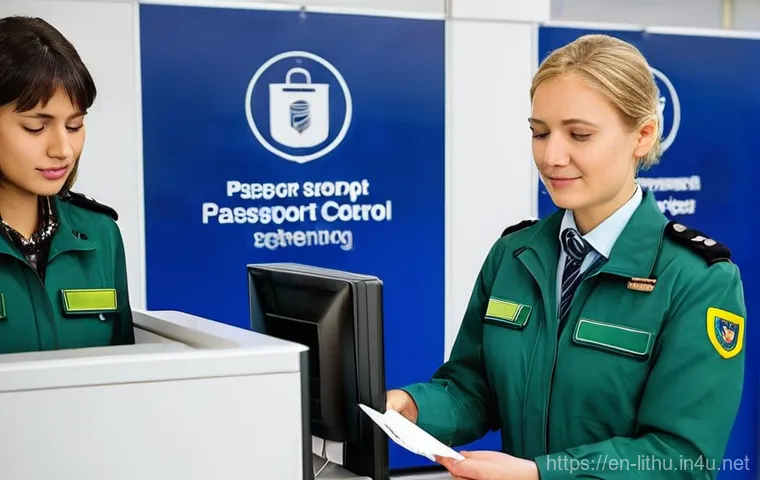
You’ve done all your homework, filled out the forms, double-checked your passport, and now you’re finally stepping off that plane in Vilnius, Kaunas, or Palanga. Exciting, right? The last leg of your entry journey is usually at passport control, and while it’s generally a straightforward process, knowing what to expect can ease any last-minute jitters. I’ve been through countless border crossings, and the key is always to be polite, clear, and have all your documents immediately accessible. Don’t be that person fumbling through a messy backpack while a line of tired travelers glares at you. A friendly smile and a confident demeanor can go a long way, and remember, border officers are just doing their job to keep everyone safe.
Navigating Passport Control
When you approach the immigration desk, have your passport open to the photo page, and your ETIAS authorization or visa ready. You might be asked a few standard questions: What is the purpose of your visit? How long do you intend to stay? Where will you be staying? I’ve found it really helpful to have a concise answer ready, like, “I’m here for tourism for two weeks, staying at the Hotel Europa Royale Vilnius.” If you’re visiting friends or family, have their contact information and address handy. Sometimes they might ask for proof of onward travel or sufficient funds again, so having those documents printed or easily accessible on your phone is always a good idea. Just be honest and straightforward; they’re not trying to trip you up, they’re just verifying your intentions.
Customs & Declarations
After passport control, you’ll proceed to customs. For most travelers, this is a breeze. If you’re not carrying any prohibited items, excessive amounts of alcohol or tobacco, or large sums of cash above the declaration limit (currently €10,000 for cash when entering/leaving the EU), you can usually just walk through the “nothing to declare” channel. However, it’s always wise to be aware of Lithuania’s specific customs regulations, especially regarding items like food, plants, or certain medications. I always do a quick check online before I travel to make sure I’m not inadvertently bringing in something restricted. Declaring items when required is crucial; failing to do so can lead to fines or confiscation. Better to be transparent than risk spoiling the start of your adventure.
Planning Your Stay: Maximizing Your Lithuanian Adventure

Okay, so you’ve successfully navigated all the entry procedures, breathed a sigh of relief, and now the real fun begins – exploring Lithuania! While this post is primarily about getting in, I feel it’s my duty as your friendly travel influencer to drop some crucial advice on making your stay as fantastic as possible. Maximizing your adventure starts way before you even pack your bags, and it involves a little bit of strategic planning combined with an open mind. Trust me, I’ve learned that the best trips are a blend of careful preparation and spontaneous discovery. Lithuania offers such a unique mix of history, nature, and vibrant culture, and you’ll want to make every moment count.
Local Currency and Connectivity
First things first, let’s talk practicalities. Lithuania uses the Euro (€), just like many other EU countries. While credit and debit cards are widely accepted, especially in cities, it’s always a good idea to have some cash on hand for smaller purchases, local markets, or emergencies. I usually withdraw a small amount from an ATM at the airport upon arrival – just be mindful of potential foreign transaction fees from your bank. As for staying connected, a local SIM card is often the most cost-effective option for data and calls. You can usually pick one up easily at convenience stores or phone shops. It’s so much more convenient than relying solely on Wi-Fi, especially when you’re out exploring charming old towns and need to use maps or translate something quickly. Having reliable data has saved me from getting lost more times than I can count!
Embracing Lithuanian Culture & Etiquette
One of the joys of travel is immersing yourself in the local culture, and Lithuania has a wonderfully rich one. Learning a few basic Lithuanian phrases like “Laba diena” (Good day), “Ačiū” (Thank you), and “Prašau” (Please/You’re welcome) will not only be appreciated by the locals but also enhance your interactions. Lithuanians are generally warm and hospitable, though perhaps a bit reserved at first, which I’ve always found charming. Punctuality is valued, especially for appointments, and respecting local customs, such as removing your hat indoors or dressing modestly when visiting religious sites, shows genuine respect. Remember, you’re a guest in their beautiful country, and a little effort to understand and appreciate their way of life goes a long, long way in creating memorable and meaningful travel experiences.
Special Considerations: Extending Your Journey or Working Remotely
For those of us who tend to fall head over heels for a place and dream of staying longer, or for the digital nomads among us, understanding the rules around extended stays and remote work is absolutely vital. I’ve seen many travelers try to push the boundaries of their short-stay visa or visa-free period, only to run into significant issues. While it’s tempting to extend a wonderful trip, the Schengen rules are quite strict, and bending them can lead to serious consequences. However, there are legitimate pathways for those who wish to spend more time exploring the Baltics, and knowing these options upfront can save you a lot of heartache and potential legal troubles.
Longer Stays and Residency
If your heart truly desires more than 90 days in Lithuania, you’ll need to look into obtaining a national visa (D visa) or applying for a temporary residence permit. These processes are significantly more involved than a short-stay visa or ETIAS authorization and usually require a specific reason, such as studying, working, or family reunification. You can’t just decide to extend your tourist stay indefinitely from within the Schengen Area. I know it sounds like a bummer, but rules are rules. The application typically needs to be made at a Lithuanian embassy or consulate in your home country before you travel. It involves a lot more documentation, deeper background checks, and a longer processing time, so it’s something you’ll need to plan well in advance if you’re serious about making Lithuania your home away from home for an extended period.
Remote Work & Digital Nomad Visas
The rise of remote work has sparked a lot of interest in digital nomad visas, and while Lithuania might not have a widely publicized “digital nomad visa” like some other countries, it does offer options for those looking to work remotely from within its borders. Generally, this falls under the umbrella of long-term national visas (D visa) that allow for stays exceeding 90 days. You would typically need to prove stable income from outside Lithuania, have comprehensive health insurance, and meet other specific criteria depending on the visa category. It’s not as simple as showing up with your laptop, but for those committed to a longer-term stay and working remotely, it’s a perfectly viable path. I’ve met a few digital nomads who’ve successfully navigated this, and they’ve all said the same thing: meticulous preparation and adhering strictly to the legal framework are paramount. Always check the latest information on the Lithuanian Migration Department’s official website or consult with an immigration lawyer specializing in Lithuanian law for the most accurate and up-to-date guidance.
Wrapping Up Your Baltic Adventure
Whew! We’ve covered a lot, haven’t we? From the intricate dance of ETIAS and EES to the nitty-gritty of passport validity and financial proofs, navigating international travel can feel like a mini-marathon. But trust me, taking the time to get all these ducks in a row transforms what could be a stressful experience into a genuinely exciting prelude to your trip. Having personally faced a few minor hiccups over the years, I truly believe that preparedness is your best travel companion. So, take a deep breath, double-check everything, and get ready to fall in love with the charm, history, and vibrant culture of the Baltics. Your unforgettable Lithuanian journey is just around the corner, and I’m genuinely thrilled for you!
Handy Tips for a Seamless Experience
1. Always Verify Official Information: Travel regulations can change, so bookmark and regularly check the official websites of the Lithuanian Ministry of Foreign Affairs, your home country’s embassy, and the European Union for the absolute latest updates on ETIAS, EES, and visa requirements. This diligence is your best defense against outdated info.
2. Invest in Robust Travel Insurance: Seriously, don’t skimp here. Beyond medical emergencies, good travel insurance can cover trip cancellations, lost luggage, and even unexpected delays. It’s the ultimate peace of mind, allowing you to truly enjoy your exploration without constant “what if” worries hanging over your head.
3. Keep Multiple Copies of Key Documents: Digital copies on your phone and in cloud storage, plus a physical set in a separate bag from your originals, can be lifesavers if something goes missing. I once had a backpack snatch scare, and knowing I had backups made a world of difference to my stress levels!
4. Familiarize Yourself with the Schengen 90/180 Rule: Even if you’re only planning a short trip, understanding this fundamental rule is crucial for any travel within the Schengen Area. If you foresee multiple visits or a longer stay, use an online calculator to ensure you don’t accidentally overstay your welcome.
5. Embrace a Little Local Lingo: Learning a few basic phrases in Lithuanian like “Labas” (Hello), “Ačiū” (Thank you), and “Atsiprašau” (Excuse me/Sorry) can open doors, warm interactions, and show a genuine respect for the local culture. Locals truly appreciate the effort, and it adds so much richness to your experience!
Your Essential Checklist for a Worry-Free Trip
Before you even think about packing that perfect outfit, make sure your passport is valid for at least six months beyond your departure date and has plenty of blank pages. If applicable, confirm your ETIAS authorization or Schengen visa is approved and printed. Have undeniable proof of accommodation and sufficient funds readily accessible, whether it’s confirmed hotel bookings or recent bank statements. Crucially, don’t forget to secure comprehensive travel insurance – it’s a small investment for massive peace of mind. Finally, keep those return or onward tickets handy to demonstrate your intention to leave the Schengen Area within your allotted time. With these key items sorted, you’re not just ready for Lithuania, you’re set for an incredible, stress-free adventure!
Frequently Asked Questions (FAQ) 📖
Q: What exactly are ETI
A: S and EES, and how will they change the way I enter Lithuania and other European countries? A1: Okay, let’s break down ETIAS and EES because I know it sounds a bit technical, but it’s super important for our future European adventures!
Essentially, these are two new digital systems designed to make travel safer and more efficient across Europe’s Schengen Area, which includes our beloved Lithuania.
The EES, or Entry/Exit System, is set to kick off its gradual introduction from October 2025, with full implementation by April 2026. This system is all about digitizing your border crossings.
Instead of getting a stamp in your passport, it will electronically record your entry and exit, including your biometric data like fingerprints and a facial image.
It applies to all non-EU citizens, whether you need a visa or not, who are entering the Schengen Area for a short stay. It’s meant to streamline checks and keep better track of who’s coming and going, helping to prevent overstays.
Then we have ETIAS, the European Travel Information and Authorisation System, which is currently expected to launch in the last quarter of 2026, after the EES is fully operational.
Think of ETIAS like a pre-travel authorization, similar to the ESTA you might use for the US or the ETA for the UK and Canada. It’s not a visa, but an online authorization that visa-exempt travelers (like those from the US, Canada, UK, and Australia) will need to apply for before their trip to Europe.
Its main goal is to pre-screen travelers against security databases to identify any potential risks, making our journeys safer for everyone. This means you’ll need to get your ETIAS approval sorted online before you even board your flight to Lithuania.
Q: When exactly will these new systems, ETI
A: S and EES, officially come into effect, and will I, as a traveler from a visa-exempt country like the United States or Canada, need them for my trip to Lithuania?
A2: That’s a fantastic question, and honestly, the timelines have shifted a bit, so staying updated is key! From what I’ve gathered, the Entry/Exit System (EES) is slated for a progressive introduction starting October 12, 2025, aiming for full operational deployment by April 10, 2026.
This means you might encounter the new digital registration at some border points from late 2025, with a complete rollout expected the following spring.
Now, for ETIAS, the European Travel Information and Authorisation System, the latest projections suggest a launch in the last quarter of 2026. The European authorities have confirmed that ETIAS will only become operational after EES is fully implemented, so any delays to EES could directly impact the ETIAS launch.
If you’re coming from a visa-exempt country, like the United States, Canada, the UK, or Australia, you absolutely need to pay attention to both. The EES will apply to you at the border to register your entry and exit biometrically.
And once ETIAS is live, it will be a mandatory pre-travel authorization for you to enter Lithuania and any other Schengen Area country for short stays (up to 90 days in any 180-day period).
So, yes, if you’re planning a European adventure in late 2025 or 2026 and beyond, these systems will definitely be part of your travel routine!
Q: What are your top tips for preparing for these upcoming changes to ensure a smooth and stress-free entry into Lithuania?
A: My biggest tip, from one traveler to another, is preparation, preparation, preparation! You know how much I emphasize minimizing travel headaches, and these new systems are no different.
First off, keep a close eye on the official EU websites for the most up-to-date information on EES and ETIAS implementation dates. Things can always shift a little, so staying informed is your superpower.
Secondly, for ETIAS, once applications open, I’d strongly recommend applying well in advance of your trip. Don’t leave it to the last minute! While many applications are processed quickly, sometimes there can be delays, and you absolutely don’t want to be scrambling right before your flight.
You’ll need a valid passport (at least three months beyond your planned departure from the Schengen Area), an email address, and a payment method for the fee, which is expected to be €7 (though some sources mention €20, so double-check the official fee when applying).
They’ll ask for personal details and some security questions, so have that info handy. For the EES, remember it’s about digital registration at the border.
Be prepared to have your fingerprints and a facial image taken at automated kiosks or border control booths. It sounds like a big change, but it’s designed to eventually speed things up once you’re in the system.
Make sure your passport is valid for at least six months beyond your intended stay to avoid any issues upon entry. Also, always keep a copy of your travel documents and any confirmations (like your ETIAS approval) easily accessible, whether on your phone or printed out.
It’s better to be over-prepared than under-prepared when it comes to international travel!