Lithuania, a Baltic gem, is increasingly focused on sustainable practices and environmental protection. From its lush forests to its stunning coastline, the country is working to preserve its natural beauty while adapting to modern environmental challenges.
I’ve personally noticed a growing awareness amongst Lithuanians about eco-friendly living and supporting green initiatives. It’s inspiring to see a nation so committed to balancing economic growth with ecological responsibility.
With a strong emphasis on renewable energy and reducing pollution, Lithuania is setting an example for other countries in the region. Let’s take a closer look at what makes Lithuania’s environmental policy so unique and impactful.
Let’s get a clear understanding in the following article!
Embracing Renewable Energy Sources
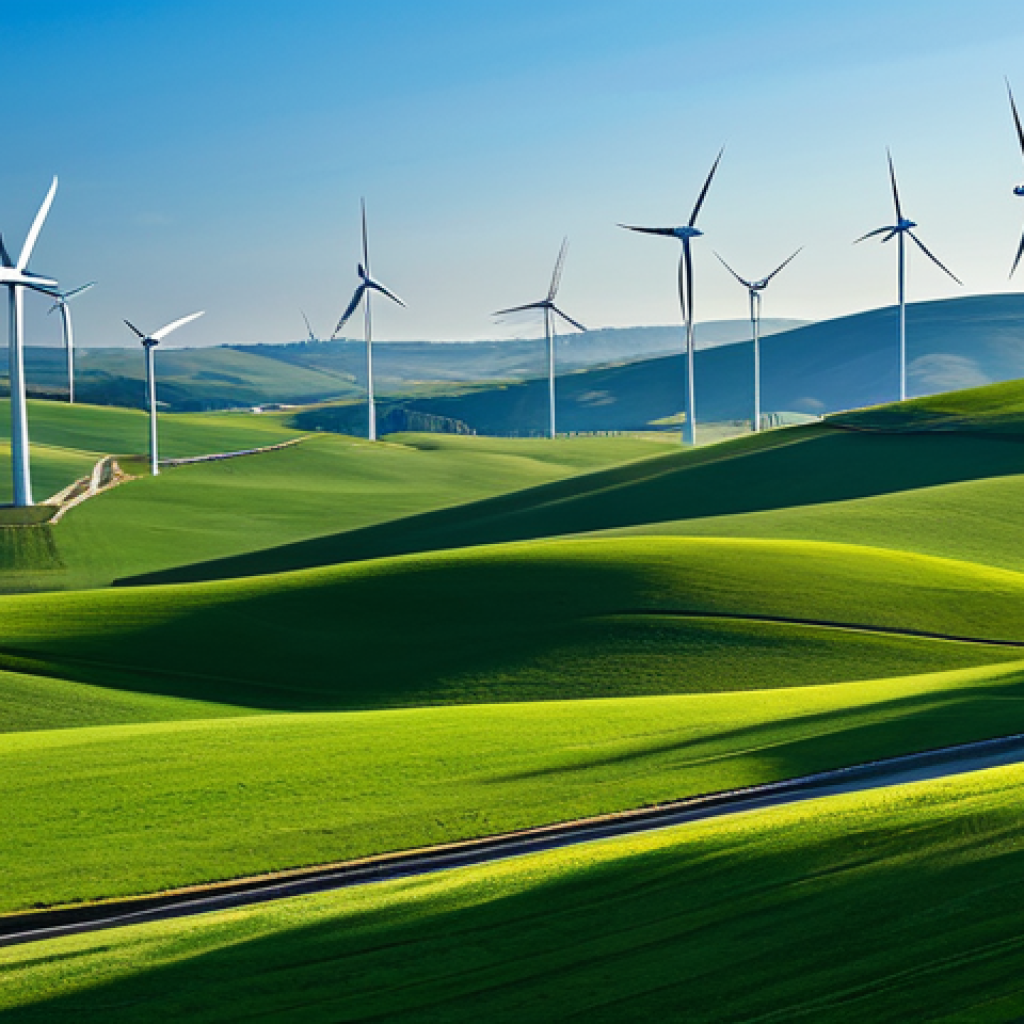
Lithuania’s commitment to reducing its carbon footprint is evident in its aggressive pursuit of renewable energy. I remember visiting a wind farm near Klaipėda and being impressed by the scale and efficiency of the operation. The country aims to generate a significant portion of its electricity from renewable sources like wind, solar, and biomass. This not only reduces reliance on fossil fuels but also stimulates the local economy by creating jobs in the green energy sector. One of the initiatives I found particularly noteworthy was the government’s support for homeowners installing solar panels, offering subsidies and tax incentives to encourage adoption.
Investing in Wind Power
Lithuania has been strategically investing in wind energy, particularly in offshore wind farms. These projects are designed to harness the strong winds off the Baltic coast, providing a reliable and sustainable energy source. I’ve heard discussions among locals about the positive impact on reducing electricity costs and improving air quality. There are also plans to upgrade existing wind farms with newer, more efficient turbines, further boosting energy production.
Promoting Solar Energy
Solar energy is becoming increasingly popular in Lithuania, especially among homeowners and businesses. The government’s incentives, such as net metering, allow individuals to sell excess solar energy back to the grid, making it an attractive investment. Driving through the countryside, I’ve noticed more and more houses with solar panels on their roofs, a clear sign of growing adoption. Educational campaigns are also playing a role, raising awareness about the benefits of solar energy and dispelling common myths.
Biomass and Geothermal Potential
Biomass, derived from organic matter like wood and agricultural waste, is another important renewable energy source in Lithuania. Many district heating plants are transitioning to biomass, reducing their reliance on imported natural gas. Geothermal energy, while still in its early stages of development, holds promise for heating and electricity generation. Pilot projects are underway to explore the potential of geothermal resources, and the initial results are encouraging.
Combating Pollution and Waste
Lithuania is actively tackling pollution and waste management issues. I recall a conversation with a local environmental activist who emphasized the importance of reducing plastic waste and promoting recycling. The country has implemented strict regulations on industrial emissions and is investing in modern waste treatment facilities. One initiative that stood out to me was the deposit refund system for beverage containers, which has significantly increased recycling rates. I’ve seen firsthand how this simple yet effective policy has motivated people to properly dispose of their bottles and cans.
Reducing Air Pollution
Lithuania has been working to reduce air pollution by promoting cleaner transportation options and regulating industrial emissions. Cities like Vilnius and Kaunas have invested in electric buses and are expanding their network of bike lanes to encourage cycling. Stricter emission standards for vehicles and factories are also helping to improve air quality. There’s still work to be done, but the progress so far is encouraging.
Improving Waste Management
Effective waste management is a top priority for Lithuania. The country is investing in modern landfills and waste-to-energy plants to reduce the amount of waste sent to landfills. Recycling programs are becoming more widespread, and public awareness campaigns are encouraging people to sort their waste properly. I’ve participated in local clean-up events and witnessed the community’s commitment to keeping their surroundings clean.
Addressing Water Pollution
Protecting water resources is crucial for Lithuania, given its abundance of rivers and lakes. Efforts are underway to reduce agricultural runoff and industrial discharges that can pollute waterways. Stricter regulations on the use of pesticides and fertilizers are helping to minimize pollution from farms. Treatment plants are being upgraded to remove pollutants from wastewater before it is discharged into rivers and lakes. The beaches along the Baltic coast are regularly monitored for water quality to ensure they are safe for swimming.
Preserving Biodiversity and Natural Habitats
Lithuania’s rich biodiversity is a source of national pride, and the country is committed to preserving its natural habitats. I was fortunate enough to visit the Curonian Spit, a UNESCO World Heritage Site, and was struck by its unique ecosystem and stunning beauty. Lithuania has established numerous protected areas, including national parks and nature reserves, to safeguard its flora and fauna. The government is also working to combat invasive species and restore degraded ecosystems. During a hike in Aukštaitija National Park, I learned about the efforts to protect endangered species like the European bison and the black stork.
Protecting Forests
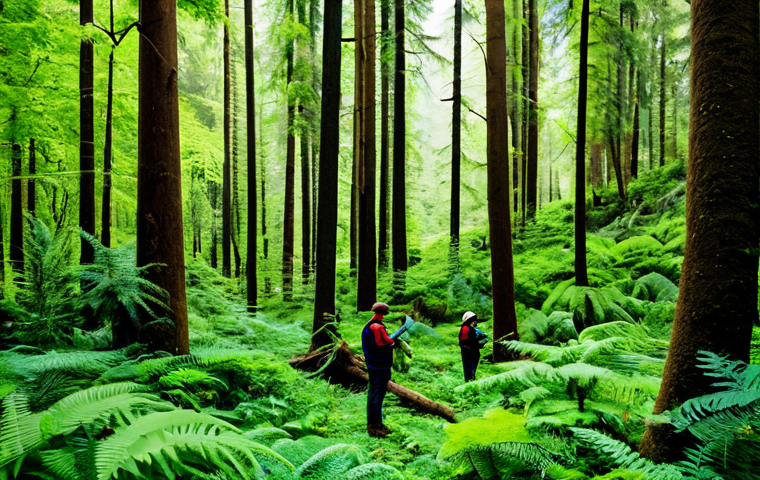
Forests cover a significant portion of Lithuania, and their protection is vital for biodiversity and climate change mitigation. Sustainable forestry practices are being implemented to ensure that forests are managed responsibly. Reforestation efforts are underway to restore degraded forests and increase carbon sequestration. I’ve seen firsthand the positive impact of these initiatives, with thriving forests providing habitats for a wide range of wildlife.
Conserving Wetlands
Wetlands, such as marshes and bogs, are important ecosystems that provide habitat for many species and help regulate water flow. Lithuania is working to conserve its wetlands by protecting them from drainage and development. Restoration projects are underway to restore degraded wetlands and enhance their ecological functions. During a visit to a local bog, I learned about the unique plant and animal life that depends on these fragile ecosystems.
Protecting Coastal Ecosystems
Lithuania’s coastline is home to unique ecosystems that are vulnerable to pollution and development. Efforts are underway to protect coastal habitats, such as dunes and salt marshes, from these threats. Beach clean-up campaigns are organized regularly to remove litter and debris. Stricter regulations are in place to prevent pollution from ships and offshore activities. I’ve seen the positive impact of these measures, with cleaner beaches and healthier coastal ecosystems.
Promoting Sustainable Agriculture
Sustainable agriculture is gaining traction in Lithuania as farmers adopt practices that minimize environmental impact. I had the opportunity to visit an organic farm in the countryside and was impressed by the farmer’s commitment to using natural methods to grow crops and raise livestock. The government is promoting sustainable agriculture through subsidies and training programs. Consumers are also becoming more aware of the benefits of buying locally grown, organic food.
Encouraging Organic Farming
Organic farming is on the rise in Lithuania as more farmers recognize the environmental and economic benefits of this approach. Organic farms use natural methods to control pests and diseases, avoiding synthetic pesticides and fertilizers. The government provides subsidies and technical assistance to farmers who want to convert to organic farming. I’ve noticed a growing demand for organic products in local markets, indicating a shift in consumer preferences.
Reducing Fertilizer Use
Excessive use of fertilizers can lead to water pollution and soil degradation. Lithuania is promoting practices that reduce fertilizer use, such as crop rotation and precision farming. Farmers are being encouraged to use soil testing to determine the optimal amount of fertilizer needed for their crops. Integrated pest management strategies are also being implemented to minimize the need for chemical pesticides.
Supporting Local Food Systems
Supporting local food systems can reduce transportation emissions and promote sustainable agriculture. Lithuania is encouraging consumers to buy locally grown food by promoting farmers’ markets and supporting local food businesses. Restaurants are increasingly featuring local ingredients on their menus, showcasing the diversity and quality of Lithuanian cuisine. I’ve enjoyed visiting farmers’ markets and buying fresh, seasonal produce directly from the farmers.
Educating and Engaging the Public
Raising public awareness about environmental issues is crucial for fostering a culture of sustainability. Lithuania has launched numerous educational campaigns to inform people about the importance of recycling, conserving energy, and protecting biodiversity. I’ve seen posters and brochures promoting environmental awareness in schools, libraries, and community centers. Local environmental organizations are also playing a key role in engaging the public through workshops, seminars, and volunteer activities.
Environmental Education in Schools
Environmental education is being integrated into the curriculum at all levels of schooling in Lithuania. Students are learning about topics such as climate change, biodiversity, and sustainable development. Field trips to national parks and nature reserves provide hands-on learning experiences. Schools are also encouraged to implement eco-friendly practices, such as recycling and energy conservation.
Public Awareness Campaigns
Lithuania is using public awareness campaigns to promote sustainable behaviors. These campaigns use various media, such as television, radio, and social media, to reach a wide audience. The campaigns focus on topics such as reducing waste, conserving water, and using public transportation. I’ve seen the impact of these campaigns in the form of increased recycling rates and greater awareness of environmental issues.
Community Engagement
Local environmental organizations are engaging communities in environmental protection through volunteer activities and educational programs. These organizations organize clean-up events, tree planting campaigns, and educational workshops. They also work with local governments to develop and implement environmental policies. I’ve participated in several community clean-up events and was impressed by the enthusiasm and dedication of the volunteers.
International Cooperation
Lithuania actively participates in international efforts to address environmental challenges. I learned that the country is a member of various international agreements and organizations dedicated to environmental protection. Lithuania works closely with other countries in the Baltic region to address common environmental issues, such as water pollution and climate change. The country also contributes to international initiatives aimed at protecting biodiversity and promoting sustainable development.
Participating in International Agreements
Lithuania is a party to numerous international environmental agreements, such as the Paris Agreement on climate change and the Convention on Biological Diversity. These agreements commit Lithuania to reducing its greenhouse gas emissions and protecting its biodiversity. The country actively participates in international negotiations to develop and implement environmental policies.
Regional Cooperation
Lithuania cooperates with other countries in the Baltic region to address common environmental challenges. These countries work together to monitor and reduce pollution in the Baltic Sea. They also collaborate on projects to promote sustainable development and protect biodiversity. I’ve attended regional conferences where experts from different countries shared their experiences and best practices.
Supporting Global Initiatives
Lithuania supports global initiatives aimed at protecting the environment and promoting sustainable development. The country contributes to international funds that support environmental projects in developing countries. Lithuania also participates in international efforts to combat climate change and protect endangered species.
| Environmental Area | Key Initiatives | Impact |
|---|---|---|
| Renewable Energy | Wind farms, solar panel incentives, biomass heating | Reduced carbon emissions, energy independence |
| Waste Management | Deposit refund system, modern landfills, recycling programs | Increased recycling rates, reduced landfill waste |
| Biodiversity Conservation | Protected areas, forest management, wetland restoration | Preservation of natural habitats, protection of endangered species |
| Sustainable Agriculture | Organic farming support, reduced fertilizer use, local food systems | Reduced pollution, sustainable food production |
| Public Education | School programs, awareness campaigns, community engagement | Increased environmental awareness, behavioral changes |
Lithuania’s journey toward environmental sustainability is a testament to its commitment to a greener future. From embracing renewable energy and combating pollution to preserving biodiversity and promoting sustainable agriculture, the nation is making significant strides.
Through continued efforts, public engagement, and international cooperation, Lithuania is setting an example for other countries to follow, demonstrating that a sustainable future is within reach.
Useful Information
1. Renewable Energy Grants: Check your local municipality for grants supporting the installation of solar panels or wind turbines for residential use. Often, there are incentives to reduce upfront costs.
2. Recycling Programs: Many communities offer free recycling bins and scheduled pickup services. Contact your local waste management authority to learn about specific recycling guidelines in your area.
3. Community Gardens: Get involved in community gardens to learn about sustainable agriculture practices and grow your own food. It’s a great way to reduce your carbon footprint and meet like-minded individuals.
4. Environmental Organizations: Volunteer with local environmental organizations to participate in clean-up events, educational workshops, and advocacy efforts.
5. Energy Audits: Consider conducting an energy audit of your home to identify areas where you can improve energy efficiency and reduce your utility bills.
Key Takeaways
Lithuania’s environmental progress is driven by renewable energy investments like wind and solar power, strict waste management policies including recycling, and efforts to preserve natural habitats.
Sustainable agriculture, through organic farming and reduced fertilizer use, plays a vital role in minimizing environmental impact.
Public education and community engagement are crucial for fostering a culture of sustainability and encouraging responsible environmental behavior.
International cooperation is essential for addressing global environmental challenges and sharing best practices.
Frequently Asked Questions (FAQ) 📖
Q: What are some key areas where Lithuania is focusing its environmental efforts?
A: From what I’ve gathered, Lithuania is really prioritizing renewable energy sources and working hard to reduce pollution across the board. They’re also paying close attention to preserving their forests and coastlines, which are such beautiful parts of the country.
It seems like they’re trying to strike a good balance between economic progress and protecting their natural resources.
Q: How are the people of Lithuania responding to the country’s push for sustainability?
A: It’s been really encouraging to see how engaged Lithuanians are becoming in eco-friendly practices. I’ve personally noticed a growing awareness and support for green initiatives in daily life.
From what I’ve seen, there’s a real sense of commitment to living more sustainably and supporting businesses that are environmentally responsible.
Q: In what way is Lithuania’s approach to environmental policy considered unique or impactful within its region?
A: What stands out to me is Lithuania’s dedication to setting a strong example for other countries in the Baltic region and beyond. By heavily investing in renewable energy and actively working to reduce pollution, they’re showing that it’s possible to prioritize both economic growth and ecological responsibility.
Their approach is inspiring and demonstrates a real commitment to creating a more sustainable future.
📚 References
Wikipedia Encyclopedia
구글 검색 결과
구글 검색 결과
구글 검색 결과
구글 검색 결과
구글 검색 결과