Hey there, amazing readers! As someone who absolutely loves diving deep into cultures, I’ve been absolutely fascinated by the heartwarming and utterly unique tapestry of marriage and family life in Lithuania.
It’s a place where history whispers through ancient traditions, yet modern life hums with a vibrant energy, creating a truly special blend that you just don’t see everywhere.
From bustling city centers to serene rural landscapes, the spirit of family truly anchors everything. I’ve noticed that while many countries are navigating shifts in what ‘family’ means, Lithuanians are doing it with such grace, holding onto core values while embracing contemporary changes.
We’re talking about everything from their beautifully intricate wedding customs, which often weave in centuries-old pagan beliefs about the “family fireplace,” to how they’re adapting to more modern relationship trends like later marriages and cohabitation.
What’s particularly struck me is their incredible commitment to supporting families through generous policies, making it a surprisingly welcoming place for raising children.
It’s a delicate dance between tradition and progression, and honestly, it’s captivating to witness how these deep-rooted customs and new societal norms create such a resilient and loving community.
It really makes you think about what truly binds people together across generations. If you’re as intrigued as I am by this beautiful cultural crossroads, you’re in for a treat.
Let’s delve much deeper into these fascinating customs and trends!
Echoes of Yesteryear: Weaving Ancient Traditions into Modern Unions
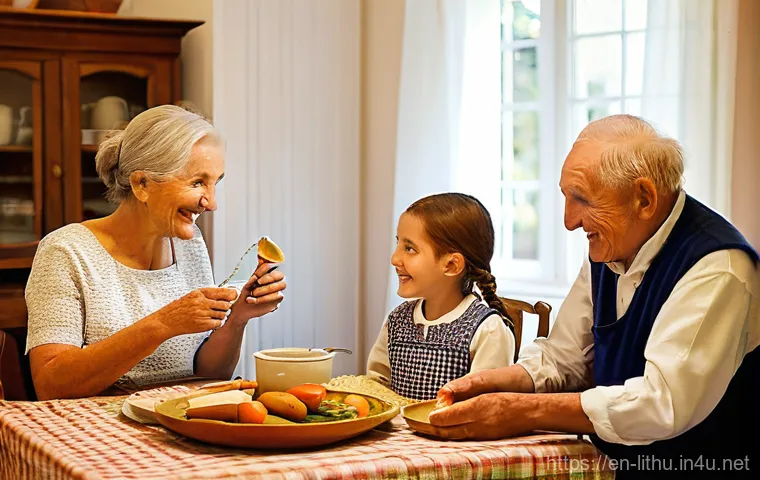
When I first started exploring Lithuanian culture, especially around weddings, what truly struck me was this beautiful, almost magical blend of deep-rooted pagan traditions and contemporary love stories.
It’s like stepping back in time while firmly planted in the present, and honestly, it’s absolutely captivating. You’ll find elements that honor the very earth they stand on, rituals that speak of ancient gods and goddesses, all woven into a day that celebrates a couple’s modern commitment.
It’s not just about saying “I do”; it’s about connecting to a lineage, to the land, and to beliefs that have sustained generations. I’ve heard stories of couples who, even after a civil ceremony, still feel compelled to participate in these symbolic rituals, because there’s a profound sense of identity and belonging that comes with them.
It feels like an unspoken understanding that their love isn’t just theirs; it’s part of something much, much bigger. The commitment to these cultural threads, even in a rapidly changing world, really highlights a desire to keep their heritage alive and kicking, adding a unique richness to their relationships that many of us might find inspiring.
This isn’t just about quaint customs; it’s about a living, breathing connection to history and community that shapes how people view love and partnership.
The Sacred Hearth and Vows Unspoken
One of the most heartwarming traditions I’ve encountered is the concept of the “family fireplace” or “sacred hearth.” It’s not just a physical fireplace; it’s a profound symbol of the family’s unity, continuity, and warmth.
In many traditional wedding ceremonies, or even at family gatherings, there are rituals centered around fire, symbolizing the new family’s spiritual and emotional core.
I remember seeing a young couple, after their wedding, being presented with a small symbolic hearth, often a beautifully decorated candle or a small wooden structure, by their parents.
It was a moment laden with emotion, representing the transfer of family values and the hope for a strong, enduring home. It felt incredibly personal, almost as if the ancestors themselves were witnessing and blessing their union.
This tradition underscores the idea that marriage isn’t just about two individuals, but about integrating into a larger family tapestry, creating a new thread that will carry forward the warmth and light of previous generations.
It’s a beautiful, tangible representation of the unspoken vows that extend beyond just the couple to their entire lineage.
Bridging Past and Present: Wedding Rituals Reimagined
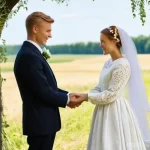
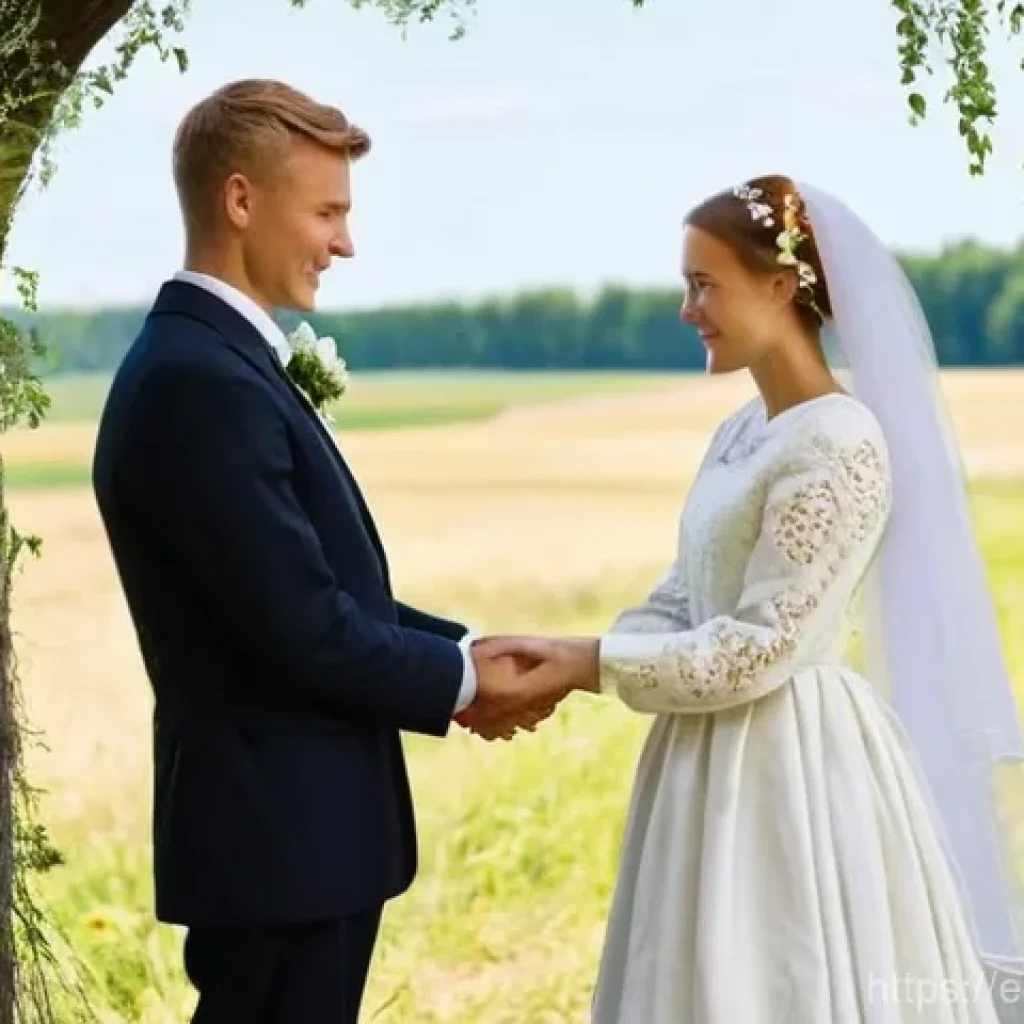
While civil ceremonies are the norm today, many Lithuanian weddings still beautifully incorporate pre-Christian and folk elements that are just delightful.
You might see the bride’s parents ‘selling’ her symbolically to the groom, or a ‘matchmaking’ ritual, all done with a playful, yet respectful, spirit.
What really caught my eye was the tradition of “ruta” (rue) – a symbolic plant representing virginity and purity. Historically, the bride would wear a wreath of rue, and its removal during the wedding signified her transition.
Now, it’s often a more nuanced, symbolic gesture, perhaps just a sprig or a decorative motif, but the sentiment remains. Couples are finding creative ways to honor these deep-seated customs while making their day feel thoroughly modern and personal.
It’s a testament to their cultural resilience, allowing them to cherry-pick what resonates most with them, transforming ancient practices into meaningful contemporary expressions of love.
It shows a deep respect for where they come from, but also an exciting willingness to adapt and evolve.
The Art of Togetherness: Family Bonds That Truly Last
From what I’ve observed, family life in Lithuania truly seems to thrive on a profound sense of interconnectedness and mutual support. It’s not just about immediate family; the web of kinship often extends quite broadly, encompassing grandparents, aunts, uncles, and cousins who play an active role in each other’s lives.
This strong communal spirit creates a robust support system, particularly noticeable in how different generations interact. I’ve seen countless examples of how grandparents aren’t just peripheral figures but are absolutely central to the daily fabric of the family, contributing not just practical help but also a wealth of wisdom and emotional ballast.
This collective approach to life’s challenges and joys really fosters a deep sense of belonging and security, something I personally believe is increasingly rare in many parts of the world.
It’s a beautiful demonstration of how a tightly-knit family unit can be a source of immense strength and enduring happiness, truly embodying the idea that a problem shared is a problem halved, and joy shared is joy doubled.
This intergenerational closeness provides a stable foundation for everyone, ensuring that cultural knowledge and personal histories are passed down organically, keeping the family’s story alive and vibrant.
Generations Under One Roof: The Enduring Grandparent Role
The role of grandparents in Lithuanian families is, in my opinion, nothing short of heroic. They are often the primary caregivers for grandchildren, especially when both parents are working, and their involvement goes far beyond simple babysitting.
Grandparents are seen as custodians of tradition, storytellers, and emotional anchors. I’ve witnessed firsthand the incredible patience and love with which they guide their grandchildren, sharing folk tales, teaching traditional crafts, or simply spending quality time together that strengthens those precious bonds.
It’s a symbiotic relationship where the elderly provide stability and wisdom, and the younger generations bring vitality and companionship. This arrangement not only provides practical support to busy parents but also ensures that children grow up steeped in their cultural heritage, learning directly from the source.
It truly feels like a living bridge between the past and the future, a connection that enriches everyone involved and makes the family unit incredibly resilient.
The Fabric of Kinship: Celebrating Milestones and Everyday Moments
Lithuanians truly excel at celebrating, and these celebrations often become powerful expressions of family unity. Birthdays, name days (a very popular tradition!), graduations, or even just successful harvests, are all opportunities for extended family to gather, share food, laughter, and stories.
These aren’t just polite get-togethers; they are vibrant, lively affairs where everyone contributes and participates. I’ve been fortunate enough to join a few of these, and the warmth and genuine affection are palpable.
It’s during these moments that the family’s history is recounted, jokes are shared, and new memories are forged, reinforcing that deep sense of kinship.
Even outside of grand celebrations, the everyday acts of support – a neighbor bringing over a fresh pie, a cousin helping with home repairs, or an aunt offering advice – highlight this strong community spirit.
These aren’t just individual favors; they’re ingrained patterns of mutual care that underscore the profound importance of family and community in their lives.
Navigating Nuances: Love, Life, and Changing Landscapes
It’s fascinating to observe how love and relationships in Lithuania are evolving, striking a delicate balance between a respect for tradition and an embrace of modern global trends.
While many aspects of family life remain deeply rooted in cultural heritage, younger generations are definitely navigating their own paths when it comes to courtship, marriage, and living arrangements.
We’re seeing shifts that reflect broader European trends, yet there’s still a uniquely Lithuanian flavor to how these changes are adopted and integrated.
For instance, while cohabitation is becoming more common, the societal expectation of eventual marriage often still looms large, perhaps more so than in some Western European countries.
It’s not a rejection of tradition, but rather an adaptation, where couples might live together for a few years before tying the knot, using it as a stepping stone rather than a permanent alternative.
This blend of old and new shows a pragmatic approach to relationships, allowing for personal freedom while still acknowledging the importance of formal commitment and family acceptance, which I think is a really intelligent way to move forward in a changing world.
Dating, Cohabitation, and the Road to ‘I Do’
The dating scene in Lithuania, much like elsewhere, has certainly been influenced by digital platforms and a more globalized perspective. However, from what I’ve gathered, there’s still a strong emphasis on personal connection and the family’s eventual approval.
While cohabitation before marriage is increasingly accepted, it’s often viewed as a serious step, a trial run for a more permanent partnership rather than a casual arrangement.
Many couples will live together for a few years, testing the waters of shared life, responsibilities, and compatibility before making the lifelong commitment.
This period often serves as a practical prelude to marriage, allowing partners to truly understand each other’s habits and expectations. I’ve heard stories where parents might subtly encourage the move towards marriage after a period of cohabitation, indicating that while they embrace modern living arrangements, the ultimate goal of a formal union is often still held in high regard.
It’s a pragmatic and often very thoughtful approach to building a strong foundation for a future together.
Modern Partnerships: Equality in the Baltic Home
As Lithuanian society progresses, the dynamics within partnerships are also shifting towards greater equality, especially among younger couples. While traditional gender roles might still hold some sway in older generations, there’s a clear move towards shared responsibilities in the household and in raising children.
I’ve seen many couples where both partners contribute to chores, childcare, and financial decisions, embodying a more balanced approach to partnership.
Educational advancements for women, increased participation in the workforce, and evolving social norms are all playing a part in this transformation.
Of course, like any society, there’s always a journey towards perfect equality, but the direction is definitely clear. It’s inspiring to witness couples actively working to create partnerships built on mutual respect and shared effort, breaking away from rigid historical expectations and forging new paths that feel more authentic to their own lives and aspirations.
It adds a fresh, empowering dimension to their family lives.
Future Forward: Supporting Families in the Baltic State
Lithuania has really put its money where its mouth is when it comes to supporting families, and as an outsider looking in, it’s genuinely impressive. The government’s commitment to creating a pro-family environment is evident in a range of generous policies designed to ease the financial burdens and logistical challenges of raising children.
This isn’t just about lip service; these are concrete measures that make a real difference in people’s daily lives, from extended parental leave to direct financial support.
It really sends a message that families are valued and seen as crucial to the nation’s future. From my perspective, observing these policies in action provides a fascinating case study in how a country can strategically invest in its most valuable asset: its people.
It creates an environment where young couples might feel more confident about starting and growing a family, knowing that there’s a robust safety net and supportive framework in place.
This comprehensive approach to family welfare is something I truly admire, and I think many other nations could learn a thing or two from Lithuania’s dedication in this area.
Generous Policies: Making Parenthood a Priority
Lithuania offers some of the most generous parental leave policies in Europe, which is a huge boon for new parents. Mothers and fathers can take extended periods off work, often with significant financial compensation, allowing them to truly bond with their newborns without the immediate pressure of returning to their jobs.
Beyond leave, there are also various child benefits and subsidies for childcare, which significantly lighten the load for families. For instance, I’ve heard about ‘baby baskets’ for newborns, similar to Nordic traditions, providing essentials to new parents.
These policies aren’t just about financial aid; they’re about giving parents the time and resources to nurture their children during those critical early years, fostering a stronger start for the next generation.
It’s a holistic approach that acknowledges the immense value of early childhood development and parental involvement, promoting both well-being and gender equality in parenting roles.
Balancing Work and Family: A National Endeavor
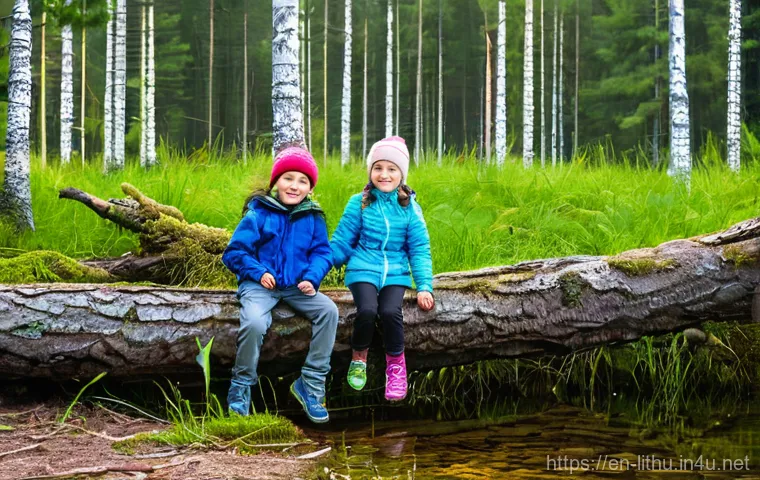
The focus on family support extends to creating a work environment that is more accommodating for parents. Flexible working hours, opportunities for remote work, and accessible childcare facilities are becoming more prevalent, all contributing to a better work-life balance.
It’s a continuous effort, of course, but the commitment is clear. I’ve spoken with working mothers who expressed how these policies made it feasible for them to pursue their careers while still being present for their children, which is incredibly empowering.
This kind of national emphasis on integrating work and family life, rather than seeing them as competing forces, truly helps alleviate some of the stress that modern families often face.
It encourages both parents to participate actively in their children’s lives and reduces the tough choices many families elsewhere are forced to make between career progression and family responsibilities.
Beyond the Ceremony: The Daily Rhythm of Lithuanian Households
Stepping into a Lithuanian home, whether in a bustling city apartment or a serene countryside house, you immediately sense a particular rhythm of life that feels both comforting and deeply authentic.
It’s a rhythm shaped by shared meals, communal chores, and an unwavering focus on creating a warm, inviting space for family. The kitchen often feels like the heart of the home, not just for cooking, but as a central gathering point where stories are exchanged, plans are made, and daily life unfolds.
I’ve noticed a strong emphasis on practicality mixed with a genuine appreciation for simple comforts – a well-maintained garden, homemade food, or a cozy corner for reading.
This daily life, away from the grand celebrations, is where the true strength of Lithuanian family bonds really shines through. It’s in the quiet moments of shared responsibility, the laughter over a simple dinner, and the collective effort to maintain their living spaces that you see the real glue holding everything together.
It’s a testament to the idea that true connection often happens in the mundane, turning everyday existence into something meaningful and deeply personal.
The Heart of the Home: Daily Life and Shared Responsibilities
In many Lithuanian households, the concept of a shared home extends to shared responsibilities. While specific divisions of labor might vary, there’s often a collective understanding that everyone contributes to maintaining the household.
Children are often involved in age-appropriate chores from a young age, fostering a sense of responsibility and teamwork. Meal preparation, for example, can be a family affair, with everyone pitching in, turning a daily necessity into a bonding activity.
I particularly love the importance placed on shared meals; dinner isn’t just about eating, it’s a dedicated time for family to reconnect, discuss their day, and reinforce their bonds.
This communal approach to daily tasks and the deliberate creation of shared moments truly reinforce the idea of the home as a sanctuary and a place of collective effort and joy.
It’s not just a house; it’s a living, breathing entity that everyone nurtures.
Festivities and Feasts: Seasonal Family Gatherings
Beyond the major life events, Lithuanians embrace seasonal festivities with an enthusiasm that’s truly infectious, often turning them into significant family gatherings.
Christmas (Kalėdos) and Easter (Velykos) are, of course, paramount, marked by elaborate feasts and deeply held traditions. But even lesser-known holidays or seasonal changes can become occasions for families to come together.
For example, Midsummer’s Eve (Joninės or Rasos) is a magical time, often celebrated with bonfires, flower wreaths, and late-night gatherings in nature, bringing families and communities together under the longest daylight hours.
These events aren’t just about the traditions themselves; they’re about reinforcing family ties, creating shared memories, and passing down cultural practices.
They provide a regular rhythm of reconnection that ensures family bonds remain strong and vibrant throughout the year, adding a wonderful layer of communal celebration to their lives.
Raising the Next Generation: A Village Mentality in a Modern World
The approach to raising children in Lithuania really encapsulates a beautiful blend of traditional values and forward-thinking principles, which I find incredibly admirable.
It’s not just about what happens within the immediate family unit; there’s a broader societal understanding that raising well-adjusted, confident, and culturally aware children is a collective responsibility.
This “village mentality” is subtle but incredibly potent, manifesting in various ways, from the emphasis on a strong educational foundation to encouraging a deep connection with nature and the outdoors.
I’ve noticed a real commitment to nurturing not just academic prowess but also character, resilience, and a respect for their heritage. It feels like children are seen as the future not just of their families, but of the entire nation, and there’s a genuine investment in their holistic development.
This holistic approach ensures that young Lithuanians are not only prepared for the challenges of the modern world but also deeply rooted in their unique cultural identity, providing a strong sense of self and belonging.
Education and Values: Nurturing Young Minds
Education is highly valued in Lithuania, with a strong emphasis on providing children with a solid academic foundation. But beyond textbooks and exams, there’s also a significant focus on instilling core values like respect, responsibility, and patriotism.
Many parents actively teach their children about Lithuanian history, folklore, and traditions, ensuring that the younger generation understands and appreciates their rich cultural heritage.
Storytelling often plays a huge part in this, bringing history to life and fostering a sense of national identity. I’ve heard countless anecdotes about parents and grandparents sharing tales of ancient heroes and mythical creatures, weaving in moral lessons and historical context.
This dual focus on intellectual development and character building helps to create well-rounded individuals who are not only capable but also deeply connected to their roots and community.
It’s a beautifully balanced approach that truly prioritizes the comprehensive development of each child.
Outdoor Adventures: Childhood in the Lithuanian Landscape
Lithuanian childhoods often involve a wonderful connection to nature and the outdoors, which I personally find incredibly refreshing. With its vast forests, pristine lakes, and Baltic coastline, the country offers an incredible playground for children.
Parents and schools alike often encourage outdoor activities, fostering an appreciation for the environment and promoting physical well-being. From forest walks to mushroom picking, berry foraging, or spending summers by the lake, these experiences are often deeply ingrained in childhood memories.
This connection to nature isn’t just about play; it’s about learning resilience, fostering creativity, and understanding the natural world around them.
It’s a beautiful way to ensure children develop a strong bond with their environment, teaching them about sustainability and the simple joys of being outside, away from screens.
It ensures that while they might grow up in a modern world, they retain a profound appreciation for the natural beauty that defines much of their homeland.
| Aspect of Family Life | Traditional Influence | Modern Trends |
|---|---|---|
| Marriage Age | Earlier marriages, often arranged or community-influenced | Later marriages, driven by education and career aspirations |
| Cohabitation | Less common, often seen as a prelude to marriage | Increasingly accepted, often as a trial period before marriage |
| Parental Leave | More informal support from extended family | Generous state-sponsored parental leave (among the longest in EU) |
| Gender Roles | More defined roles, often patriarchal structure | Shifting towards more egalitarian partnerships and shared responsibilities |
| Role of Grandparents | Crucial for childcare and passing down traditions | Still highly involved, often primary caregivers, emotional anchors |
| Family Size | Traditionally larger families | Smaller families, with 1-2 children being common |
Wrapping Things Up
And there you have it, folks! Diving deep into the heart of Lithuanian traditions and family life has been nothing short of a revelation for me, and I truly hope it has been for you too. It’s absolutely amazing to see how a nation so beautifully preserves its ancient roots while gracefully stepping into the modern world. From the deeply symbolic wedding rituals that speak of enduring love and ancestral blessings to the unwavering support systems woven into their family fabric, there’s a profound sense of continuity and warmth here. I personally feel so inspired by the way Lithuanians cherish their connections, creating a vibrant tapestry of life that truly echoes with history, community, and an incredible spirit of togetherness. It’s a powerful reminder that while times change, the things that truly matter—love, family, and heritage—remain timeless and universally cherished.
Useful Insights for Your Journey
1. If you ever find yourself in Lithuania, especially during a local festival or family gathering, don’t be shy about engaging! Lithuanians are often quite welcoming and appreciative of genuine interest in their culture. A simple “Labas” (hello) or “Ačiū” (thank you) goes a long way in breaking the ice and showing respect for their language and customs.
2. Remember that respect for elders is paramount. In any social or family setting, pay close attention to how younger generations interact with their seniors. Often, elders are offered the first portion of food, the best seat, or their advice is sought after, reflecting their revered status within the community.
3. Consider experiencing one of the traditional craft workshops. Whether it’s amber jewelry making, linen weaving, or pottery, participating in these age-old activities offers a hands-on connection to their heritage and a truly unique souvenir that tells a story, not just a purchase.
4. Be mindful of seasonal celebrations. Midsummer’s Eve (Joninės/Rasos) in late June and the Christmas season (Kalėdos) are particularly magical times to visit. These periods are rich with specific traditions, music, and food, offering an unparalleled glimpse into the heart of Lithuanian communal life and familial bonding.
5. When visiting someone’s home, a small gift like flowers (an odd number, please, as even numbers are typically for funerals), quality chocolates, or a bottle of wine is a thoughtful gesture. It’s a subtle way to show appreciation for their hospitality and to acknowledge the effort they’ve put into welcoming you into their space.
Key Takeaways
What I truly took away from exploring Lithuanian family life is the incredible resilience and deep respect for heritage that permeates every aspect of their existence. It’s not just about upholding ancient rituals; it’s about a living, breathing connection to history that strengthens bonds and provides a powerful sense of identity. From the symbolic significance of wedding traditions that marry the past with the present, to the unwavering support systems found within extended families, there’s an inspiring dedication to community and kinship. The government’s proactive approach to supporting families with generous policies further reinforces this commitment, creating an environment where families can thrive and continue to pass down their unique cultural tapestry. This blend of tradition and forward-thinking, coupled with a profound appreciation for shared moments and mutual support, paints a picture of a society that values connection above all else.
Frequently Asked Questions (FAQ) 📖
Q: What are some of the most captivating traditional Lithuanian wedding customs, and how are modern couples keeping them alive?
A: Oh, this is such a rich topic, and honestly, it’s one of my absolute favorites to explore! Lithuanian weddings are just brimming with heartwarming traditions that often intertwine ancient pagan beliefs with Christian rites, creating a truly unique celebration.
What I’ve consistently observed is this beautiful reverence for the “family fireplace,” or “šeimos židinys.” It’s not just a cute phrase; it’s a symbolic gift from the parents, typically presented during the wedding, representing the warmth, continuity, and new beginnings of the couple’s home.
I’ve personally seen how this can bring a tear to guests’ eyes – it’s a powerful moment. Then there’s the delightful tradition of presenting bread and salt, symbolizing prosperity and a life free from hunger.
Many couples also engage in playful “bride kidnapping” rituals or the crowning ceremony, which harkens back to ancient times. What’s truly wonderful is that while some couples might opt for a simpler, more modern affair, most still weave these elements into their day, perhaps giving them a contemporary twist or choosing the ones that resonate most deeply with them.
It truly feels like they’re honoring their roots while paving their own path, and as someone who adores cultural preservation, that balance is just perfect.
Q: How are modern Lithuanians navigating the balance between traditional family values and contemporary relationship trends like later marriages or cohabitation?
A: This is such a fascinating dynamic, and it’s something I’ve spent a lot of time thinking about because it reflects a global shift while retaining a uniquely Lithuanian flavor.
On one hand, the foundation of Lithuanian society still highly values family, stability, and the idea of a committed partnership. Respect for elders and strong intergenerational ties are absolutely paramount.
However, just like many European countries, I’ve noticed a clear trend towards later marriages. Young Lithuanians are often focusing on their education and careers first, wanting to establish themselves before taking that big step.
And yes, cohabitation is becoming increasingly common. It’s often a stepping stone to marriage, a way for couples to build their lives together and test the waters before making a formal commitment.
What truly strikes me is that even with these modern choices, the intention behind them often remains rooted in the desire for a strong, loving family unit.
It’s not about abandoning tradition entirely, but rather about adapting it to fit modern lives and individual aspirations. It really makes you appreciate how societies can evolve gracefully, holding onto the essence of what’s important while embracing new ways of living.
Q: What unique ways does Lithuania support families, and how does this commitment manifest in everyday life?
A: Oh, this is where Lithuania truly shines and, frankly, provides some inspiring examples for other nations! From my observations, the country has made a remarkable commitment to supporting families, which is deeply ingrained in their societal policies.
They boast some incredibly generous parental leave benefits, for instance, often allowing parents significant time off with job protection after a child is born, sometimes extending for a surprisingly long period compared to many Western countries.
This isn’t just a policy on paper; it genuinely translates into a culture where both parents can actively participate in their child’s early development without undue financial stress.
I’ve heard countless stories from locals about how these policies have made a tangible difference in their ability to raise happy, healthy families. Beyond leave, there are various child benefits and support systems aimed at ensuring children have a good start in life.
It’s clear that the government views investing in families as investing in the nation’s future, and that philosophy really permeates everyday life, fostering a sense of community and collective well-being.
It’s genuinely inspiring to see a nation so actively dedicated to strengthening its family units, and it contributes immensely to that warm, resilient feeling you get when you’re here.